








Growing Backlash Over Kanye West’s Festival Inclusion
The Anatomy of the Controversy
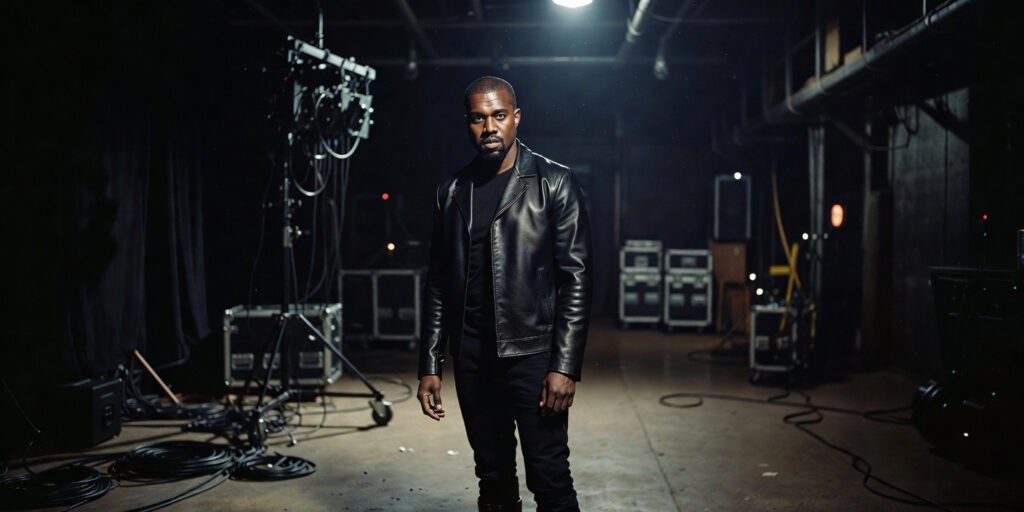
The festival industry in the United Kingdom is currently navigating a firestorm of public opinion as calls for Kanye West to be dropped from an upcoming London music festival headline slot reach a boiling point. The artist, known legally as Ye, has found himself at the center of a sustained campaign by advocacy groups, ticket holders, and social media commentators who argue that his recent public statements and behavioral patterns are incompatible with the values of inclusive, safe cultural spaces. For festival organizers, this presents a significant dilemma: weighing the commercial pull and artistic pedigree of a global superstar against the potential for significant brand damage and public protests.
The core of the opposition centers on a string of antisemitic remarks and conspiracy theories championed by West over the past several months. These incidents led to the loss of major corporate partnerships and have fundamentally altered the public’s perception of his legacy. While his musical influence remains undeniable, the moral imperative cited by critics is that major festival stages should not be utilized as platforms for individuals whose public conduct has alienated vast portions of the population. Organizations representing minority communities have been particularly vocal, suggesting that hosting West normalizes rhetoric that they find deeply harmful.
Commercial Implications and Organizational Risks
From a business perspective, the decision to maintain a booking of this magnitude involves intricate contractual obligations and financial risk assessment. Festival organizers often secure headliners months, sometimes years, in advance. Abruptly canceling a high-profile act like Kanye West without clear, legally defensible grounds—such as a breach of contract or an imminent threat to public order—can result in catastrophic financial losses, including booking fees and potential litigation. Furthermore, promoters must consider the impact on the overall festival ecosystem, including security costs, which would likely skyrocket if protesters targeted the event site.
Despite these commercial hurdles, the “cancel culture” narrative has evolved into a tangible bottom-line concern. Ticket holders, a demographic increasingly driven by social consciousness, are threatening boycotts. The industry is watching this situation closely, as it may set a new precedent for how festival lineups are curated in an era where an artist’s off-stage actions are scrutinized with the same intensity as their musical output. The current pressure is not just about the morality of the booking, but about the social responsibility of event promoters to curate experiences that align with the evolving standards of their audience.
The Future of Music Festival Curation
This standoff highlights a broader, systemic shift in the music industry. The era where an artist’s personal controversies could be entirely siloed from their professional career is rapidly closing. Major festivals are increasingly acting as curators of cultural value, not just providers of entertainment. If organizers ultimately decide to pull West, they may be signaling a pivot toward stricter morality clauses in future artist contracts. If they choose to keep him, they must prepare for a festival atmosphere defined by tension rather than celebration. The industry remains in a state of flux, waiting to see if this particular London festival will bow to the mounting public pressure or stand by their initial booking, potentially risking their reputation in the process.
More Stories
iHeartRadio Music Festival 2026 Ignites Las Vegas
Hyde Park Jazz Fest at 20: A Sonic Milestone for Chicago
Americanafest 2026: Nashville Readies for Global Roots Music Milestone