








The East Coast has been thrust into a state of logistical chaos as a powerful and unpredictable Nor’easter barrels through the region, forcing organizers to pull the plug on some of the year’s most anticipated gatherings. From the heart of New York City to the suburbs of Massachusetts, the severe weather warnings have effectively silenced major music hubs, leaving thousands of fans disappointed but safe as event promoters prioritize risk mitigation over revenue. The disruption, which has hit both the charity-driven Global Citizen Festival in New York and Ed Sheeran’s high-profile residency at Gillette Stadium in Foxborough, marks a significant moment in the intersection of climate instability and live event management.
The Storm That Silenced the East Coast
The Impact on Cultural Landscapes
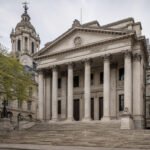
The Nor’easter, characterized by its intense precipitation and high-velocity wind gusts, has created an environment deemed too hazardous for large-scale outdoor and semi-outdoor events. In New York City, the Global Citizen Festival, an internationally recognized event committed to ending extreme poverty, faced an unprecedented hurdle. The festival, which historically relies on Central Park’s Great Lawn, saw its organizers forced to issue a cancellation notice as the National Weather Service (NWS) extended severe weather warnings throughout the metropolitan area. The decision was not made lightly, given the event’s massive philanthropic reach, but the threat of lightning strikes and flash flooding in a dense urban park environment left little room for negotiation.
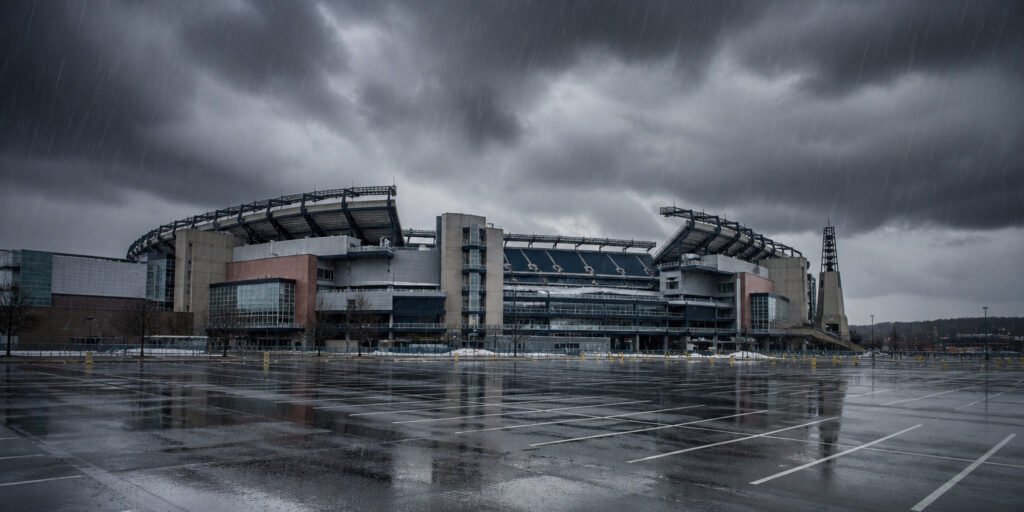
Simultaneously, the impact rippled north to Massachusetts. Gillette Stadium, the home of the New England Patriots and a premier venue for global stadium tours, announced the cancellation of Ed Sheeran’s scheduled performances. While stadium facilities are robust, the surrounding infrastructure—parking lots, highway access, and crowd safety protocols—could not guarantee the protection of the thousands of attendees traveling through the storm’s path. This cancellation highlights the vulnerability of the modern touring industry, where a single weather event can derail months of logistical preparation and tens of millions of dollars in ticket revenue.
The Anatomy of a Cancellation
When a Nor’easter strikes, the decision to cancel is rarely based on a single variable. It is a complex calculus involving event promoters, venue operators, local law enforcement, and meteorologists. The primary concern is not merely the rain, but the cascading effects of wind. For open-air stages, wind gusts can compromise structural integrity, potentially toppling massive LED screens, speaker arrays, and rigging systems.
Beyond the stage, the issue of crowd egress and ingress is critical. If thousands of attendees are stranded in a stadium parking lot during a deluge or are forced to use overwhelmed public transportation, the liability risk skyrockets. By cancelling early, these event organizers successfully avoided potential mass-casualty scenarios or emergency response gridlock. The economic consequences are, of course, staggering. From refunds to vendor losses and the logistical nightmare of rescheduling, the fiscal impact of these cancellations will be felt for months.
Economic and Logistical Ripple Effects
Beyond the immediate frustration of fans, the financial fallout is substantial. Global Citizen and Gillette Stadium represent massive economic engines. In NYC, local hospitality, transportation, and small businesses rely on the influx of tourists and attendees. The sudden cancellation creates a void in consumer spending that is rarely recovered.
Furthermore, the touring industry is already under significant pressure. For a performer like Ed Sheeran, the cancellation at Gillette Stadium isn’t just a missed paycheck for the artist; it involves union stagehands, sound engineers, security personnel, and local contractors who are paid on a show-by-show basis. These individuals, often independent contractors, bear the brunt of the financial loss, underscoring the precarious nature of the live entertainment economy when faced with extreme climate events. As weather patterns become more volatile, the industry may need to pivot toward more comprehensive “Force Majeure” insurance policies or develop more sophisticated, rapid-response rescheduling frameworks that do not rely on local stadium availability in the immediate aftermath of a disaster.
Future-Proofing the Live Industry
This weekend’s events serve as a sobering case study for the live entertainment sector. We are entering an era where historical weather patterns are less reliable, and the “Nor’easter” threat is no longer a seasonal outlier but an expected component of East Coast autumns. As the climate continues to shift, event organizers are increasingly integrating meteorological data directly into their pre-production timelines. We may soon see a future where events are “weather-indexed,” with tiered contingency plans already drafted months in advance.
Furthermore, the reliance on massive, temporary outdoor structures may face increased scrutiny. While the spectacle of a stadium tour or a massive park festival is vital for fan engagement, the safety of the public must remain paramount. This recent wave of cancellations is a clear signal that the era of “the show must go on” regardless of the weather is coming to a close, replaced by a more cautious, data-driven approach to public assembly.
FAQ: People Also Ask
Will cancelled events be rescheduled, or should I seek a refund?
Most events, including large-scale productions like those at Gillette Stadium or Global Citizen, have clear protocols for “Force Majeure” cancellations. In most cases, if a show cannot be rescheduled, ticket holders are entitled to an automatic refund. Check your original point of purchase or the official festival website for the most accurate information regarding your specific ticket tier.
What does “Force Majeure” mean in the context of concert cancellations?
Force Majeure is a standard contractual clause that frees both parties from liability or obligation when an extraordinary event or circumstance beyond the control of the parties, such as a war, strike, riot, crime, or an event described by the legal term “act of God” (which includes severe weather), prevents one or both parties from fulfilling their obligations.
How are weather-related safety decisions made for stadiums?
Decisions are made by a collaborative team consisting of venue management, local government officials, law enforcement, and meteorologists. They monitor wind speeds, lightning strike probability, and potential for flooding. If conditions threaten the safe evacuation or movement of crowds, the event is typically postponed or cancelled to ensure public safety.
Is travel insurance necessary for these types of events?
While many event organizers provide refunds for cancelled shows, travel insurance is highly recommended for major, destination-based festivals. Standard tickets often cover the price of the show, but they do not cover non-refundable hotel stays, flights, or rental cars booked to attend the event.
More Stories
Florida Georgia Line Returns: 2027 ‘Anything Goes Again’ Tour
Sick New World Expands: Texas Motor Speedway Sets 2026 Date
Rolling Loud India 2026: Burna Boy, Metro Boomin Lead Lineup