











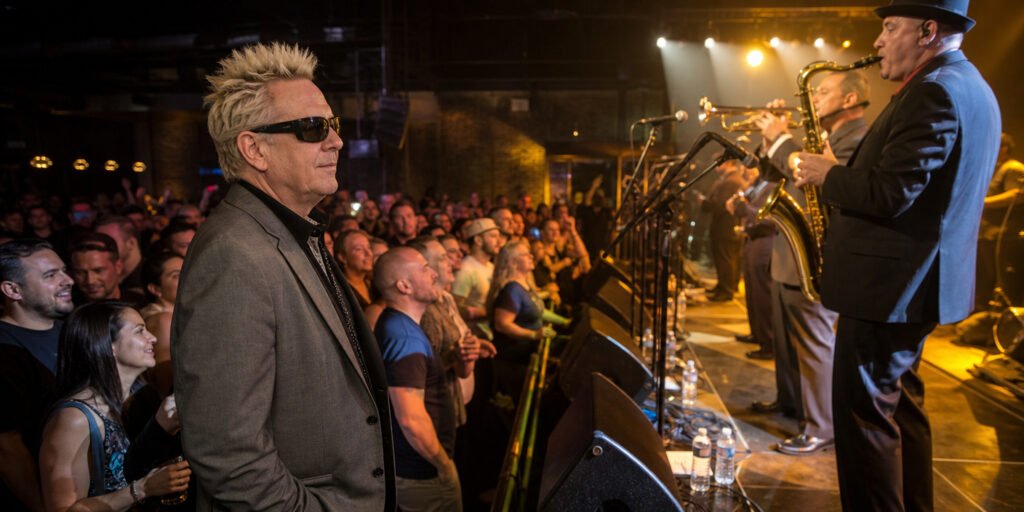
The Summer of Ska festival, a grassroots phenomenon born in the vibrant heart of Las Vegas, has officially reached its eighth-year milestone, cementing its status as a vital anchor in the American independent music circuit. Founded by visionary organizer Tommy Nicholson, the event has evolved from a local gathering into a sprawling six-city tour spanning Nevada, Arizona, and Texas. More than just a concert series, the Summer of Ska continues to champion a distinct brand of inclusivity and community, proving that the ska music scene is not merely surviving but thriving by prioritizing fan experience, DIY ethics, and regional connection over corporate homogenization.
Key Highlights
- Milestone Achievement: Celebrating its eighth consecutive year, Summer of Ska has grown from a localized Vegas event to a major multi-state touring circuit.
- Tour Expansion: The 2024 season features a strategic six-city tour across Nevada, Arizona, and Texas, expanding the festival’s footprint significantly.
- Community-First Ethos: Founder Tommy Nicholson maintains a strict focus on inclusivity, ensuring the festival remains an accessible space for diverse fanbases.
- DIY Longevity: The festival stands as a testament to the sustainability of independent music promotion in an era of corporate-dominated concert tours.
The Architecture of an Independent Music Movement
The Vision of Tommy Nicholson
When Tommy Nicholson first conceptualized the Summer of Ska, the goal was relatively modest: to create a dedicated space for ska enthusiasts in Las Vegas. Over the past eight years, that vision has metastasized into something far more significant. Nicholson’s approach has always been rooted in the “Third Wave Ska” ethos—a blend of high-energy performance, social consciousness, and intense fan loyalty. By acting as both curator and community builder, Nicholson has successfully navigated the notoriously difficult landscape of independent concert promotion. His leadership has allowed the festival to bypass the traditional pitfalls that often cause small-scale music events to fold within their first three years.
The secret to this longevity lies in the festival’s rejection of the “pay-to-play” model and its insistence on high-quality production values typically reserved for larger, mainstream festivals. By securing partnerships with local independent venues across Nevada, Arizona, and Texas, the tour has built a symbiotic relationship where both the artists and the venues benefit from the dedicated, traveling audience that follows the tour from city to city.
Scaling the Tour: Nevada, Arizona, and Texas
The expansion into a six-city tour represents a calculated risk that has paid dividends in terms of brand recognition and revenue stability. Scaling a tour is rarely about simply adding dates; it requires complex logistics, regional marketing coordination, and a deep understanding of the local music ecosystems in disparate states. In Nevada, the festival leans into the high-octane energy of the Vegas scene, while the Arizona and Texas stops are curated to integrate with the established punk and ska undergrounds of cities like Phoenix and Austin.
This expansion serves as a case study in how niche genre festivals can scale without alienating their core demographic. By choosing cities with robust local music histories, Nicholson has ensured that each stop on the tour feels “at home,” rather than like a generic roadshow. This regional strategy has also allowed the festival to buffer against the economic fluctuations of the touring industry, as the risk is diversified across multiple markets rather than concentrated in a single location.
Prioritizing Inclusivity as a Business Model
In an era where “inclusivity” is often treated as a buzzword, the Summer of Ska treats it as a structural necessity. The festival’s programming consistently features a diverse lineup of bands, reflecting the genre’s global roots and its contemporary evolution. This focus on diversity is not just performative; it is a key driver of the festival’s community-centric atmosphere. Attendees report a sense of safety and belonging that is rarely found in larger, more commercialized music festivals.
By fostering an environment where fans feel personally connected to the performers and the organizers, Nicholson has built a “stickiness” to the brand. Fans don’t just attend the Summer of Ska; they make it an annual pilgrimage. This loyalty translates into sustainable ticket sales and high levels of fan engagement, which in turn attracts sponsors who are eager to reach such a dedicated and active audience.
Future Predictions and the Ska Renaissance
As the festival enters its ninth year of planning, the outlook for Summer of Ska is optimistic. The success of the current six-city model suggests that further geographic expansion is likely. Industry analysts are watching the festival closely, as it represents a blueprint for how independent promoters can leverage niche appeal into a sustainable business model. The “Ska Renaissance,” characterized by a younger generation discovering the brass-heavy sounds of the genre, suggests that the market for these festivals is only going to grow.
FAQ: People Also Ask
Who founded the Summer of Ska festival?
The festival was founded by Tommy Nicholson, a key figure in the Nevada music scene, who continues to lead the organization and curation of the tour.
What makes the Summer of Ska different from other festivals?
Unlike large, corporate-owned music events, Summer of Ska is built on a DIY ethos that prioritizes inclusivity, fan community, and grassroots promotion, maintaining a direct connection between the organizers and the audience.
Which states does the tour visit?
The festival currently focuses on a six-city tour route that spans Nevada, Arizona, and Texas, connecting key music scenes across the Southwest.
Is the festival family-friendly?
Yes, the Summer of Ska is known for its inclusive and community-focused atmosphere, making it generally accessible to fans of all ages who appreciate the ska music culture.
More Stories
iHeartRadio Music Festival 2026 Ignites Las Vegas
Hyde Park Jazz Fest at 20: A Sonic Milestone for Chicago
Americanafest 2026: Nashville Readies for Global Roots Music Milestone