


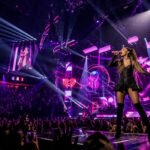




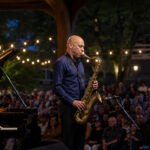


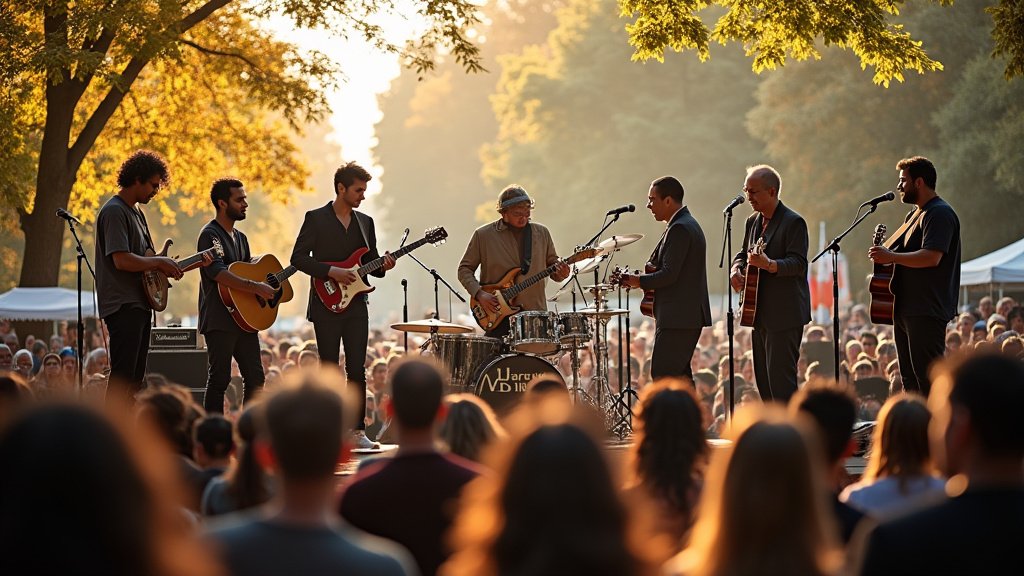
The City of Chicago and the Department of Cultural Affairs and Special Events (DCASE) have officially unveiled the program for the 26th annual World Music Festival Chicago. Spanning from September 25 through October 4, 2026, the festival will transform venues across the city into global hubs of sonic innovation, bringing international artists to Chicago’s diverse neighborhoods. This milestone edition reaffirms Chicago’s commitment to hosting the largest multi-venue music festival of its kind in the United States, showcasing a tapestry of global rhythms.
Key Highlights
- Event Dates: The festival will run for 10 days, beginning September 25 and concluding October 4, 2026.
- Anniversary: This marks the 26th annual edition of the World Music Festival Chicago, cementing its place as a staple of the city’s autumn cultural calendar.
- Organizers: The event is curated and produced by the Chicago Department of Cultural Affairs and Special Events (DCASE).
- Scope: Performances will occur at various venues throughout the city, prioritizing accessibility and neighborhood engagement.
A Legacy of Sonic Diplomacy
For over two decades, the World Music Festival Chicago has served as more than just a musical showcase; it functions as a form of cultural diplomacy. Launched in 1999 as a way to broaden the reach of Chicago’s cultural offerings, the festival has continuously evolved, moving beyond traditional definitions of “world music” to embrace the complexity of contemporary global sounds. By partnering with DCASE, the city ensures that the programming remains distinct, curating a mix of legendary global performers and emerging artists who are redefining the boundaries of their respective genres.
The DCASE Curation Strategy
The Department of Cultural Affairs and Special Events approaches the programming for this festival with a specific mandate: to reflect the global composition of Chicago itself. By selecting artists from different continents and musical traditions—ranging from traditional folk ensembles to modern electronic fusions—DCASE transforms the city into a global stage. The 2026 lineup continues this trajectory, with a deliberate focus on acts that bridge the gap between indigenous instrumentation and modern digital production. This curation strategy is central to why the festival remains free to the public, a rarity for an event of this magnitude in a major metropolitan city.
The Cultural and Economic Pulse
Beyond the artistry, the World Music Festival Chicago plays a significant role in the city’s post-summer economic vitality. The 10-day structure allows for a sustained influx of local and regional tourism, benefiting neighborhood businesses situated near the various festival venues. While major park events often dominate the news cycle, the World Music Festival is uniquely decentralized. By utilizing both iconic downtown locations and community-centered venues, the festival ensures that the economic impact is felt across different wards, supporting local venues that serve as the backbone of Chicago’s live music scene.
Future-Proofing Global Rhythms
As the festival enters its 26th year, organizers are looking toward the future of global music consumption. The shift toward digital-first engagement has allowed DCASE to reach wider audiences, but the primary focus remains on the tangible, physical experience of the performance. The 2026 lineup aims to foster direct engagement between the artists and the community, with workshops, interactive sessions, and collaborative performances that demystify the origins of the music. This pedagogical approach is what sets the Chicago event apart from commercial festivals, transforming the listener into a participant.
FAQ: People Also Ask
1. Is the World Music Festival Chicago free to attend?
Yes, historically, the vast majority of World Music Festival Chicago events are free and open to the public, consistent with DCASE’s mission to provide equitable access to high-quality arts and culture.
2. Where exactly will the performances take place?
The festival is known for its city-wide footprint. While the Chicago Cultural Center and Millennium Park are common hubs, performances are hosted in various venues throughout the city’s neighborhoods to ensure geographic diversity.
3. How are the artists selected for the festival?
Artists are selected by DCASE curators based on their contribution to global musical traditions, technical excellence, and their ability to engage with diverse audiences. The process focuses on both established international icons and grassroots talent.
4. What genres can attendees expect?
The festival covers an expansive range of genres, including traditional folk, jazz fusion, electronic, Afrobeat, and classical instrumental performances from around the world.
More Stories
iHeartRadio Music Festival 2026 Ignites Las Vegas
Hyde Park Jazz Fest at 20: A Sonic Milestone for Chicago
Americanafest 2026: Nashville Readies for Global Roots Music Milestone