











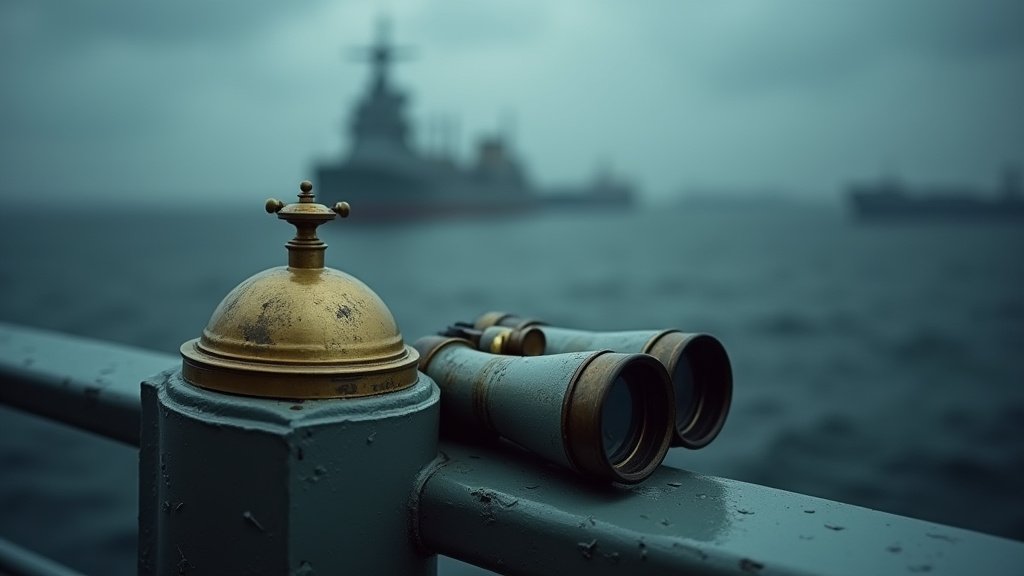
The United States military, acting under direct orders from the White House, is currently enforcing a stringent naval blockade of all Iranian ports and coastal areas, a decisive escalation in the ongoing 2026 Iran war. Initiated at 10 a.m. EDT on April 13, the operation seeks to isolate Iranian maritime trade and dismantle the economic leverage Tehran has attempted to exert by threatening the freedom of navigation through the strategically critical Strait of Hormuz. This bold maneuver arrives in the wake of collapsed ceasefire negotiations in Islamabad, signaling a fundamental shift in Washington’s strategy from direct military strikes to systematic economic and maritime strangulation of the Islamic Republic’s port infrastructure.
Key Highlights
- The U.S. naval blockade, enforced by Central Command (CENTCOM), focuses exclusively on vessels entering or departing Iranian ports and coastal areas.
- Commercial traffic transiting the Strait of Hormuz to and from non-Iranian ports remains legally permitted, aiming to maintain global energy supply lines despite the heightened military presence.
- The blockade follows the failure of marathon ceasefire talks in Pakistan, which sought to end the conflict that began on February 28, 2026.
- President Donald Trump has issued stern warnings regarding the blockade, stating that any attempts to interfere with U.S. naval operations will be met with overwhelming force.
- Global oil markets remain in a state of high volatility as international observers assess the long-term impact of this intensified maritime standoff.
The Strategic Siege: Redefining Maritime Control
The implementation of the naval blockade marks a departure from the air-centric campaign that defined the initial six weeks of the conflict. By concentrating naval assets in the immediate vicinity of Iranian ports, the U.S. is attempting to decouple Iran’s ability to conduct maritime commerce from the broader freedom of international navigation. CENTCOM’s directive is clear: the blockade is to be enforced impartially against all vessels docking at Iranian facilities, effectively creating a quarantine zone around the Iranian coastline while attempting to avoid a complete closure of the Strait itself—a move that would trigger catastrophic global energy shortages.
Military Posture and Deterrence
To maintain this operational posture, the U.S. Navy has deployed a significant armada to the Gulf, centered around the USS Abraham Lincoln carrier strike group and supported by numerous destroyers and amphibious assault vessels. The primary objective is not merely interdiction but the creation of a ‘controlled environment’ where Iran’s asymmetric maritime capabilities—specifically their fast-attack craft and sea mine deployment—are neutralized through superior surveillance and stand-off range enforcement.
Military analysts suggest that this strategy is designed to pressure the Iranian leadership by demonstrating the U.S. capacity to dictate terms of trade within their own territorial waters. President Trump’s rhetoric, emphasizing that Iranian vessels would face immediate elimination if they pose a threat, serves as the psychological anchor of this operation. The goal is to force Tehran to the negotiating table by proving that their control over the Strait is no longer a viable bargaining chip, but a liability.
The Failure of Diplomacy
The blockade is a direct consequence of the breakdown in peace talks held in Islamabad. Reports from the negotiation rooms indicate that despite ‘productive’ initial discussions, the talks faltered on the issue of Iran’s nuclear enrichment and the persistent threat of maritime disruption. Vice President JD Vance, who spearheaded the U.S. delegation, indicated that the administration offered a final, comprehensive proposal that Tehran was unwilling to accept. The failure of these talks has pushed the U.S. to abandon the cautious approach that characterized the brief ceasefire, replacing it with this aggressive enforcement action.
Global Economic Implications and Energy Security
For global energy markets, the situation remains precarious. The Strait of Hormuz is the world’s most important oil chokepoint, with approximately 20% of the world’s oil supply passing through it historically. While the U.S. asserts that the blockade is targeted, shipping insurance premiums for vessels operating in the wider Persian Gulf have skyrocketed. The uncertainty surrounding the enforcement—specifically, how ‘Iranian port traffic’ is defined and the potential for spillover incidents—has led many shipping firms to exercise extreme caution, leading to a de facto, if not legal, reduction in throughput.
Economists warn that a prolonged blockade could lead to sustained upward pressure on crude oil prices, potentially fueling global inflationary trends that were already exacerbated by the initial phases of the war. While some vessels have managed to transit the strait, the risk of miscalculation remains high. The international community, particularly the UN, has expressed concern, with the General Assembly recently debating the consequences of the failure of the Security Council to secure an agreement on freedom of navigation. China and Russia’s veto of a recent resolution aimed at securing the Strait has further complicated the international response, leaving the U.S. to act unilaterally.
FAQ: People Also Ask
1. Is the entire Strait of Hormuz blocked to all traffic?
No. The U.S. naval blockade is specifically targeted at vessels entering or leaving Iranian ports and coastal areas. Freedom of navigation for commercial vessels transiting to and from non-Iranian ports is intended to remain intact, according to CENTCOM.
2. How does this blockade differ from previous U.S. policies in the region?
Unlike past operations that focused on escorting tankers or deterrence, this blockade is an active interdiction campaign targeting Iran’s sovereign maritime trade infrastructure directly, marking a significant escalation in the 2026 conflict.
3. What is the status of the ceasefire?
The ceasefire, which was meant to provide a window for diplomatic solutions, effectively collapsed following the failed negotiations in Islamabad on April 12, leading directly to the implementation of the blockade.
4. What are the risks of escalation?
The primary risk is a miscalculation by Iranian forces or the Islamic Revolutionary Guard Corps (IRGC), leading to direct kinetic engagement with U.S. naval assets. President Trump has issued strong warnings, creating a high-tension environment where any hostile action could trigger a swift and decisive military response.
More Stories
Costco Goes Nationwide on Uber Eats: A New Era for Bulk Delivery
Elena Rybakina Wins US Open, Ascends to World No. 1
Rubio Seals Security Pacts; Vance Drives Policy Agenda