











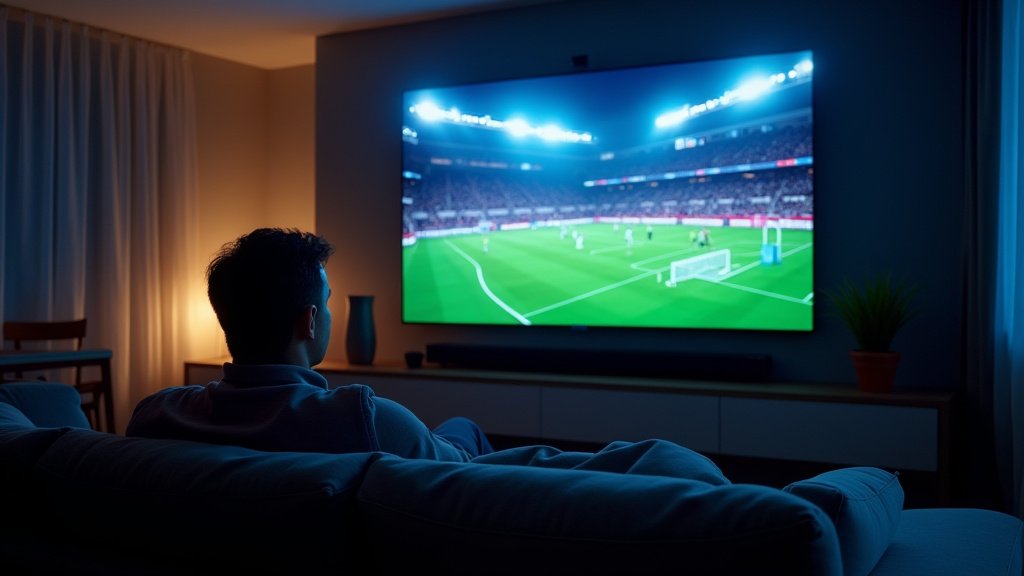
The sports media landscape is undergoing a profound transformation as DAZN officially prepares to become the exclusive direct-to-consumer (DTC) streaming home for the YES Network and MSG Networks. This strategic partnership, set to commence at the start of the 2026-2027 NBA and NHL seasons, represents a major consolidation of regional sports network (RSN) content onto a singular, global digital platform. By integrating the broadcast power of two of the most significant regional sports giants in the United States, this move signals a definitive departure from traditional cable reliance for New York area sports fans and a major leap forward in the modernization of sports broadcasting.
The Strategic Shift: From Cable to Digital
The decision to pivot toward DAZN as the exclusive DTC platform underscores a broader industry realization: the modern sports consumer demands flexibility, mobility, and high-quality digital integration. For years, the YES Network and MSG Networks have defined the viewing habits of New York sports enthusiasts, capturing the cultural zeitgeist of the New York Yankees, the New York Knicks, and the New York Rangers. However, as cord-cutting continues to erode traditional cable revenue streams, regional networks have been forced to innovate. DAZN, with its robust global streaming infrastructure, provides the necessary scale to house this high-demand content.
This partnership essentially centralizes the viewing experience. Rather than managing disparate subscriptions or relying on legacy cable packages that are increasingly becoming artifacts of a different media era, fans will have a unified portal. This consolidation is a direct response to the fragmentation that has plagued regional sports broadcasting, where fans often struggled to navigate between cable providers, blackouts, and multiple streaming apps.
Migration and the Gotham Sports App Transition
A critical element of this transition is the migration strategy. Existing users of the Gotham Sports App—the current digital hub for many of these regional offerings—will see their services migrated to the DAZN platform. This migration is not merely a branding exercise; it is a full-scale technological integration. By sunsetting the Gotham Sports App and subsuming its user base, DAZN is positioned to leverage its proprietary streaming technology to ensure that the transition is seamless. For the end user, this means that the shift should be relatively unobtrusive, provided that DAZN maintains the high production values and specific local broadcasting teams that YES and MSG fans have come to rely on over the decades.
The technical requirements for such a migration are substantial. DAZN must ensure that its backend infrastructure can handle the concurrent load of regional audiences during peak game times, such as a prime-time Yankees game or a high-stakes Knicks playoff run. The company’s experience in global sports streaming suggests that they are well-equipped to handle this volume, but the specific localization of the feed—maintaining the ‘local’ feel of regional broadcasting within a global platform—will be the true test of this partnership’s success.
Market Dynamics and Economic Impact
From an economic perspective, this partnership is a bellwether for the RSN industry. Regional sports networks have long been the ‘must-have’ channels driving up cable bundle costs. As these networks move to a direct-to-consumer model, the economic equation shifts entirely. By bypassing the cable middleman, YES and MSG are betting that the revenue generated from direct subscriptions will outweigh the guaranteed carriage fees paid by cable providers.
Furthermore, this move positions DAZN as a dominant player in the U.S. regional sports market. By securing the rights to the Yankees (YES Network) and both the Knicks and Rangers (MSG Networks), DAZN has effectively cornered a massive segment of the New York sports market. This is a high-stakes play that puts them in direct competition with other major streaming entities and potentially sets a blueprint for other RSNs across the country to follow. If this partnership succeeds, we may see a wave of similar consolidation deals in other major sports markets, where regional networks seek shelter under the umbrellas of global streaming giants to ensure their long-term survival.
Secondary Angles: Future Implications
1. The Evolution of the Fan Experience: Beyond accessibility, this shift promises to change how fans interact with the games. We expect to see enhanced data overlays, multi-camera angles, and interactive features that traditional cable broadcasts have struggled to implement effectively. The ‘second screen’ experience could become integrated directly into the primary broadcast.
2. The End of Local Blackouts?: One of the most significant pain points for modern sports fans has been the archaic system of blackouts. While it is unclear if this deal immediately eliminates all blackout restrictions, the DTC model inherently provides a pathway to resolving these issues. If the platform succeeds in removing geographical barriers for local subscribers, it could redefine the value proposition of RSNs nationwide.
3. Data and Advertising: By moving to a DTC platform, networks gain direct access to first-party viewer data. This is invaluable for advertising revenue, allowing for targeted, dynamic ad insertion that is significantly more valuable than the static, regional ads traditionally sold on cable. This shift will likely change the economic profile of regional sports broadcasting from a viewership-volume game to a personalized engagement game.
As the 2026-2027 season approaches, all eyes will be on the technical rollout and the fan reception of this new digital era. The transition marks a point of no return for regional broadcasting, signaling that the future of local sports will be defined not by the channel you select on a remote, but by the application you launch on your smart device.
More Stories
Lady Gaga Welcomes Daughter Rose Bean Polansky
Ranbir & Alia Launch Major 20-School Mumbai Makeover
Kevin Hart Confirmed to Host the 99th Academy Awards