









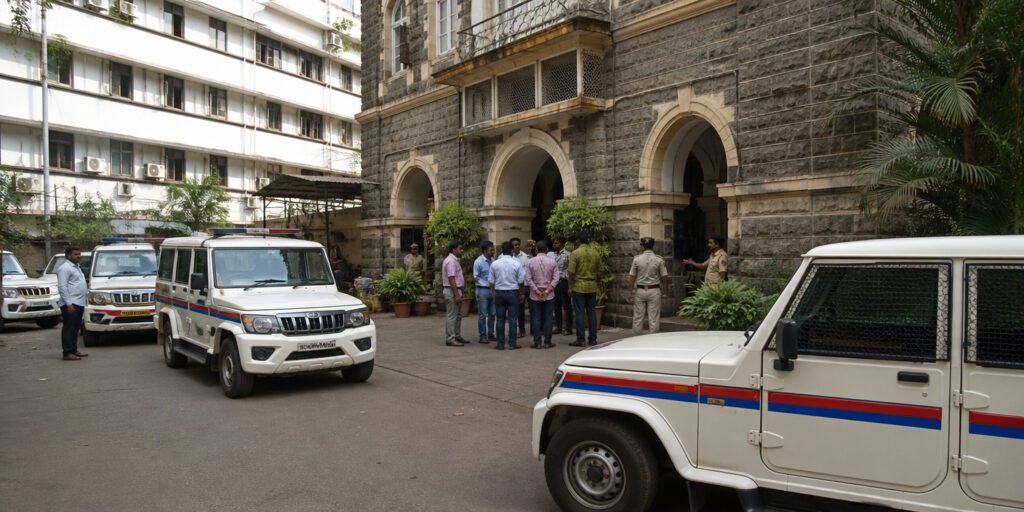
The entertainment industry is reeling following a violent shooting incident targeting actor Tiger Shroff on October 18, 2026. While the star escaped the assault without physical harm, the attack has ignited a fierce debate regarding the safety of public figures and the rising influence of criminal elements within metropolitan areas. Authorities have confirmed that the incident left two individuals injured, including the actor’s driver, triggering an immediate and aggressive investigation involving 15 dedicated police teams to identify and apprehend the perpetrators.
Key Highlights
- The Incident: Actor Tiger Shroff was the primary target of an armed attack on October 18, 2026; he remained unharmed, but his driver and one other individual sustained injuries.
- Police Response: Local authorities have mobilized 15 specialized investigative teams to track the perpetrators and determine the motive behind the assault.
- Industry Outcry: Prominent industry figures, including Ranvir Shorey and Rahul Dholakia, have publicly condemned the security lapse, citing it as proof that “criminals are shooting innocents.”
- Ongoing Investigation: While the motive remains officially under investigation, the brazen nature of the attack in a public space has raised significant questions regarding the vulnerability of high-profile celebrities in the modern era.
The Crisis of Safety in the Entertainment Industry
The shooting incident involving Tiger Shroff has transcended the boundaries of celebrity news, becoming a focal point for a larger crisis regarding law and order in the film industry. The attack, which occurred in broad daylight, highlights a disturbing trend where high-profile figures are increasingly viewed as targets by organized syndicates or opportunistic criminals. Unlike the controlled environment of film sets or private events, the vulnerability of public figures during transit or public appearances has become a primary security concern.
Following the event, the Mumbai Police department fast-tracked the creation of 15 specialized teams to comb through surveillance footage and communication intercepts. The efficiency of this response is being heavily scrutinized, as the industry demands not just reactive justice, but proactive measures to prevent future occurrences. The fact that the perpetrators felt emboldened enough to open fire in an urban setting suggests a dangerous shift in the audacity of local criminal elements.
Voices of Dissent: Shorey and Dholakia Take a Stand
Among the loudest critics of the current security situation are actors and filmmakers who have experienced or observed the shifting dynamics of the entertainment sector firsthand. Ranvir Shorey took to social media to express his outrage, characterizing the event as a symptom of a broader societal breakdown. “When criminals are shooting innocents on the streets, it is no longer about celebrity status; it is about the fundamental failure of safety for every citizen,” Shorey stated in a post that resonated across industry circles.
Rahul Dholakia, known for his gritty, realistic cinema, echoed these sentiments, noting that the normalization of violence in public spaces is a grim indicator of the times. “We are witnessing a dangerous trend where no one is beyond the reach of violence,” Dholakia emphasized. Their statements have ignited a widespread conversation on various platforms, with fans and peers demanding stricter protocols and better protection for actors who are often the face of public engagement.
Historical Context: The Long Shadow of Industry Threats
The history of Indian cinema is unfortunately no stranger to security concerns. For decades, the film fraternity has dealt with varying degrees of threat—from extortion demands in the 90s to modern-day cyber-harassment and physical intimidation. This incident involving Shroff is reminiscent of past eras where criminal syndicates targeted top-tier talent to exert influence or extract funds. However, the current landscape has changed. With the advent of social media and real-time location tracking, public figures are more visible than ever, making them “always-on” targets in a way that previous generations did not experience.
Economic Impact: The Cost of Security
Beyond the immediate tragedy of the injuries sustained, this event presents a significant economic challenge for film productions. Security costs for major shoots and celebrity travel have been steadily rising, but this attack is expected to force a massive overhaul. Production houses are likely to adopt “fortress-style” security protocols, including armored transit, private security details for secondary staff, and restricted movement schedules. While necessary, these measures add layers of logistical complexity and cost that could impact the bottom-line viability of mid-budget films. Investors and studios are now assessing whether the risk environment necessitates a shift in how they manage their talent’s public presence.
Looking Ahead: The Future of Celebrity Public Interactions
Perhaps the most lasting consequence of the October 18 shooting will be the inevitable walling off of celebrities from the public. If the risk of violence continues to rise, we may see a significant decrease in the number of public interactions, press junkets, and promotional tours that are essential to the current film marketing model. The industry is currently at a crossroads. While the goal of every star is to remain accessible to their fanbase, the imperative of personal safety is now dictating a more guarded, private, and inaccessible future. Industry analysts predict that virtual interactions and strictly controlled digital engagements will become the new standard, replacing the spontaneous “star-fan” moments that have defined Bollywood culture for decades. This shift would fundamentally alter the relationship between stars and the public, creating a more sterile, less authentic engagement landscape that could, ironically, diminish the very fan culture that drives the industry’s success.
More Stories
Chris Brown Faces Sentencing in London Assault Case
Derrick Harriott, Reggae Legend and Crystal Records Pioneer, Dies at 87
Remembering Michael Gray: The ‘Shazam!’ and ‘Brady Bunch’ Icon Dies at 75