











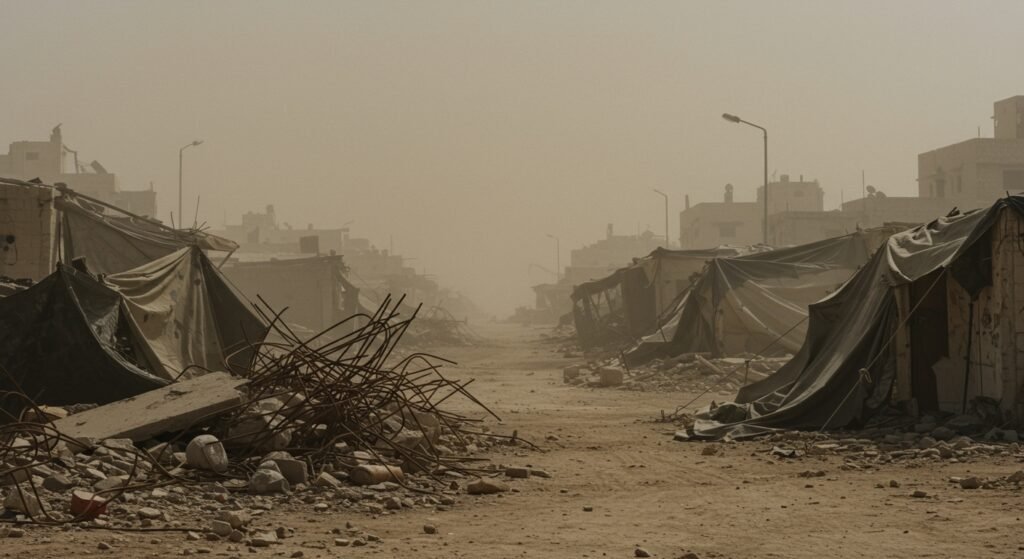
GAZA STRIP – Intensive Israeli military strikes across the Gaza Strip have resulted in the deaths of at least 39 Palestinians over the past 24 hours, as of April 30, 2025. The latest assaults included significant bombardments targeting areas previously designated by Israel as “safe zones” for displaced civilians, raising grave concerns among residents and international observers.
Latest Casualties and Targeted Areas
The latest casualty figures, reported on April 30, 2025, bring the total death toll from recent Israeli operations to at least 39 within a single 24-hour period. The attacks were widespread, impacting multiple locations across the besieged territory.
Among the most devastating strikes were three direct hits on residential buildings within the Nuseirat refugee camp. Survivors recounted the intensity of these bombardments, likening the force of the explosions to an “earthquake”. The targeting of densely populated residential areas within a refugee camp underscores the perilous conditions faced by civilians attempting to find shelter.
Adding to the widespread destruction, overnight assaults continued in the southern areas of Khan Younis and al-Mawasi. These strikes specifically targeted tents and other makeshift shelters, which are currently housing thousands of displaced Palestinian civilians who have fled their homes seeking safety.
Strikes on Designated “Safe Zones”
A particularly alarming aspect of these latest attacks is the targeting of areas such as Khan Younis and al-Mawasi, which Israel had previously designated as “safe zones.” These zones were theoretically intended to provide a sanctuary for civilians evacuating from more dangerous areas. However, the continued assaults on these locations have profoundly undermined the concept of safety and protection for the displaced population.
According to accounts from survivors [4], the airstrikes in these designated zones left behind scenes of horrific devastation. The sheer force and nature of the attacks on the fragile shelters and tents resulted in the bodies of their relatives being rendered unrecognizable.
Survivor Accounts and Human Impact
The testimonies from survivors paint a grim picture of the reality on the ground. Describing strikes as feeling like an “earthquake” highlights the immense power and indiscriminate nature of the bombardments on residential structures in Nuseirat. This comparison underscores the terror and physical destruction experienced by those caught in the attacks.
Similarly, the accounts from Khan Younis and al-Mawasi, detailing the state of the victims’ bodies after the overnight assaults on tents and shelters, reveal the extreme human cost of these strikes. For families already displaced and living in precarious conditions, the targeting of their temporary shelters represents a complete loss of any perceived safety and compounds the trauma of the ongoing conflict.
These attacks raise serious questions about the effectiveness and safety of designated “safe zones” in conflict environments and the feasibility of protecting civilians amidst intensive military operations. The events of April 30, 2025, contribute to a mounting death toll and widespread destruction in the Gaza Strip, further exacerbating the humanitarian crisis affecting hundreds of thousands of displaced Palestinians.
The international community continues to call for measures to protect civilians, but the reality on the ground, as evidenced by the attacks resulting in at least 39 deaths and striking areas intended for refuge, remains stark and deeply concerning.
More Stories
Costco Goes Nationwide on Uber Eats: A New Era for Bulk Delivery
Elena Rybakina Wins US Open, Ascends to World No. 1
Rubio Seals Security Pacts; Vance Drives Policy Agenda