







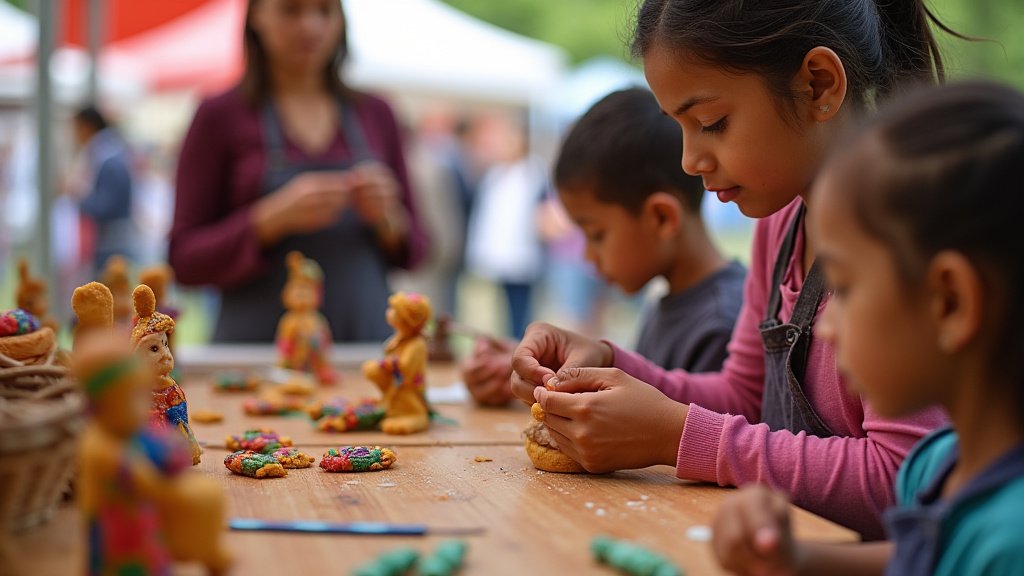
For the first time in its storied history, the World Children’s Festival (WCF) on the National Mall in Washington, D.C., welcomed a vibrant display of Taiwanese culture. This historic debut not only provided a platform for international exchange but also solidified Taiwan’s standing in the arena of cultural diplomacy, bringing the unique traditions of the island to the heart of the American capital.
Key Highlights
- Historic Premiere: Taiwan participated in the World Children’s Festival on the National Mall for the first time, marking a milestone in cultural outreach.
- Cultural Showcase: Attendees were treated to authentic Taiwanese traditional activities, most notably the intricate art of dough figurine making.
- Soft Power Diplomacy: The event underscores Taiwan’s efforts to foster international friendships and highlight its rich intangible cultural heritage on a global stage.
- Educational Engagement: The festival aims to promote peace and cultural understanding among the youth, with Taiwan’s presence contributing directly to these core objectives.
Bridging Cultures at the National Mall: Taiwan’s Historic Debut
The World Children’s Festival, organized annually by the International Children’s Arts Foundation (ICAF), is a unique international gathering. Positioned against the monumental backdrop of the National Mall—the symbolic heart of American democracy—it serves as a nexus for global connection. By participating in this year’s iteration, Taiwan moved beyond traditional political channels to engage directly with the global public, particularly the youth demographic, through the medium of art and shared humanity.
The Artistic Significance of Dough Figurine Making
Central to the Taiwanese booth was the display and demonstration of dough figurine making, locally known as Mian Su. This traditional folk art has deep roots in Chinese culture and was brought to Taiwan, where it has evolved into a unique local expression. The craft involves molding colored dough, traditionally made from wheat flour and glutinous rice flour, into highly detailed figures, ranging from historical characters and mythical creatures to whimsical animals.
For the children in Washington, D.C., the craft provided more than just a souvenir; it offered a tactile lesson in patience, dexterity, and history. Watching a master artisan transform a simple lump of dough into a complex, vibrant figurine is an experience that transcends language barriers. This form of ‘intangible cultural heritage’ represents the intersection of fine art and folk tradition, allowing Taiwan to showcase a legacy that is both ancient and accessible.
The National Mall as a Diplomatic Stage
The choice of the National Mall as the venue for the WCF is intentional and potent. As one of the most visited public spaces in the United States, it provides unparalleled visibility. By establishing a presence here, Taiwan was able to introduce its culture to thousands of local visitors and international tourists, circumventing the noise of geopolitical headlines to focus on the ‘soft power’ of human connection.
Cultural diplomacy is a subtle but essential component of Taiwan’s international strategy. By participating in festivals that emphasize peace, education, and art, Taiwan positions itself not just as a geopolitical stakeholder, but as a vibrant contributor to the global cultural landscape. This approach builds grassroots affinity, fostering long-term relationships that are often more resilient than traditional political agreements.
Beyond the Festival: The Legacy of Exchange
This debut at the World Children’s Festival is likely to set a precedent for future cultural engagement. The International Children’s Arts Foundation emphasizes global citizenship, and by engaging with this network, Taiwan creates a pipeline for future artistic exchanges. The feedback from the festival, which saw families from across the United States interacting with Taiwanese culture, suggests that these activities successfully demystify the island’s culture for Western audiences.
Furthermore, the success of this event provides a blueprint for how smaller nations can utilize non-political, family-oriented events to exert influence and share their narratives. In a world often dominated by high-stakes international conflict, the sight of a child on the National Mall learning to sculpt a dough figurine from a Taiwanese artist offers a refreshing, necessary counter-narrative of cooperation and mutual respect.
As the festival concluded, the presence of the Taiwanese cultural delegation remained a talking point among organizers. It served as a reminder that the most durable bridges are often built not through treaties or legislative documents, but through the sharing of traditions that define who we are. For Taiwan, this was not merely an event; it was an investment in the hearts and minds of the next generation of international observers.
FAQ: People Also Ask
Q: What is the World Children’s Festival?
A: The World Children’s Festival (WCF) is an international event organized by the International Children’s Arts Foundation (ICAF). It is held on the National Mall in Washington, D.C., and is designed to bring together children and families from around the world to promote peace through art, culture, and creative exchange.
Q: Why was Taiwan’s participation significant?
A: It was Taiwan’s first-ever appearance at the festival. This participation is significant because it represents a strategic move in cultural diplomacy, allowing Taiwan to share its cultural heritage—specifically traditional crafts like dough figurine making—with an international audience in the U.S. capital.
Q: What is ‘Mian Su’ or dough figurine making?
A: Mian Su is a traditional Chinese folk art involving the sculpting of colorful dough into figures. It is considered an intangible cultural heritage in Taiwan, where artists use wheat and glutinous rice flour to create detailed figures of animals, mythical beings, and historical characters.
Q: Is the World Children’s Festival a recurring event?
A: Yes, the ICAF organizes the festival to foster a global community. It is a recurring event that serves as a high-profile platform for cultural organizations and countries to showcase their creative traditions to a massive public audience in the U.S.
More Stories
Lowriding’s Rise: SF Celebrates Cruising Culture
U.S. Repatriates 64 Cultural Relics and Fossils to China
Betting on Viral Fame: Novig’s Strategic Use of Sydney Sweeney