











Berlinale 2026: Political Firestorm Mars Festival Finale
The 76th Berlin International Film Festival concluded amidst significant controversy. Political tensions overshadowed the event’s final days. This year’s festival ran from February 12 to February 22, 2026. The closing ceremony took place on February 21.
Jury President’s Comments Ignite Debate
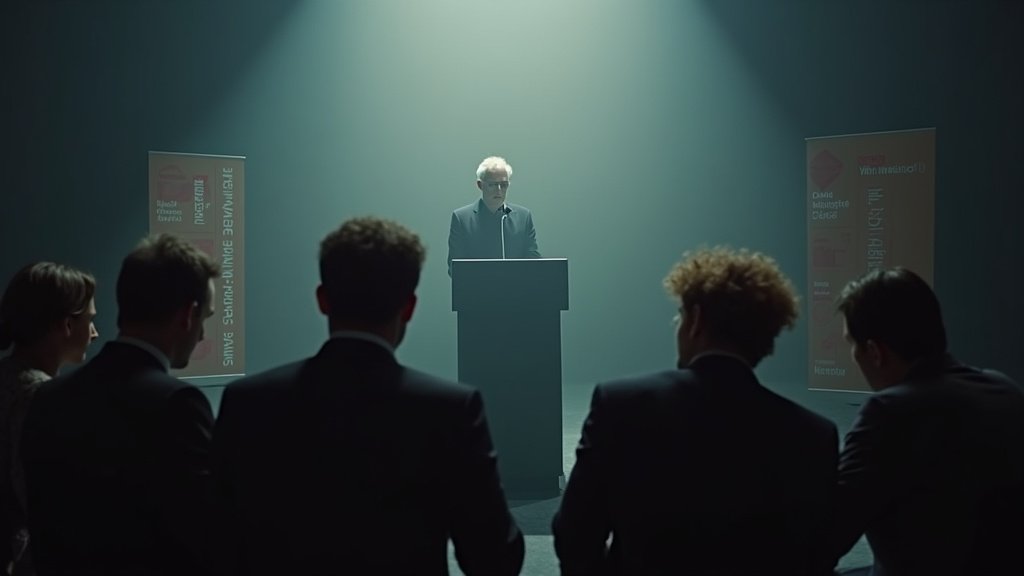
The controversy began at the festival’s opening press conference. Jury president Wim Wenders stated that filmmakers “have to stay out of politics”. He explained that dedicatedly political movies enter the field of politics. Wenders suggested filmmakers are “the counterweight to politics”. They do “the work of people, not the work of politicians”.
Backlash and Accusations
These remarks quickly drew sharp criticism. Indian author Arundhati Roy announced her withdrawal from the festival. She called Wenders’ comments “unconscionable” and “jaw-dropping”. Roy stated that art should not be separate from politics. She feared the comments shut down conversation about a “crime against humanity”.
An open letter emerged, signed by over 80 film industry figures. Notable signatories included actors Tilda Swinton and Javier Bardem. The letter condemned the festival’s “silence on the genocide of Palestinian”. It accused the Berlinale of “censoring artists” opposing these actions. The letter argued that failing to condemn suffering is complicity.
Festival Director’s Response
Festival director Tricia Tuttle issued statements defending the festival. She called some accusations “misinformation” and “inaccurate”. Tuttle emphasized that artists are free to exercise their right to free speech. However, they should not be expected to comment on every political issue. She noted that artists are often criticized regardless of their response. Tuttle expressed concern the debate was overshadowing the films themselves. She acknowledged the “depth of anger and frustration” regarding suffering in Gaza. However, she rejected anonymous claims without evidence.
Context and Financing
The Berlinale draws significant funding from the German federal government and the Berlin Senate. This state funding links the festival to national cultural policy. Some critics argue this dependency makes claims of neutrality difficult to sustain. The festival has a history of socially conscious programming. This year featured films addressing genocide, sexual violence, and state power.
Films Overshadowed
The political storm significantly impacted the festival’s narrative. Attention shifted from the 22 films in competition to the controversy. Critics noted that conversations about the films took a backseat. The festival, usually a platform for diverse cinematic stories, found itself in a political debate. This situation raised questions about the role of arts institutions in political discourse. It highlighted the tension between artistic freedom and public accountability. The focus remained on the political drama rather than the entertainment and stories presented on screen.
Conclusion
The Berlinale 2026 finale was marked by a fierce debate. Statements by jury president Wim Wenders triggered widespread backlash. This led to author Arundhati Roy’s withdrawal. An open letter from over 80 film professionals condemned the festival’s perceived silence. Festival director Tricia Tuttle defended the event, calling for calm. The controversy overshadowed the cinematic offerings. It raised complex questions about politics, art, and institutional responsibility. The festival concluded with these debates lingering.
More Stories
Sweet Magnolias Creator Bids Emotional Farewell After Cancellation
Presley Gerber, Model and Son of Cindy Crawford, Dies at 27
Lady Gaga Welcomes Daughter Rose Bean Polansky