











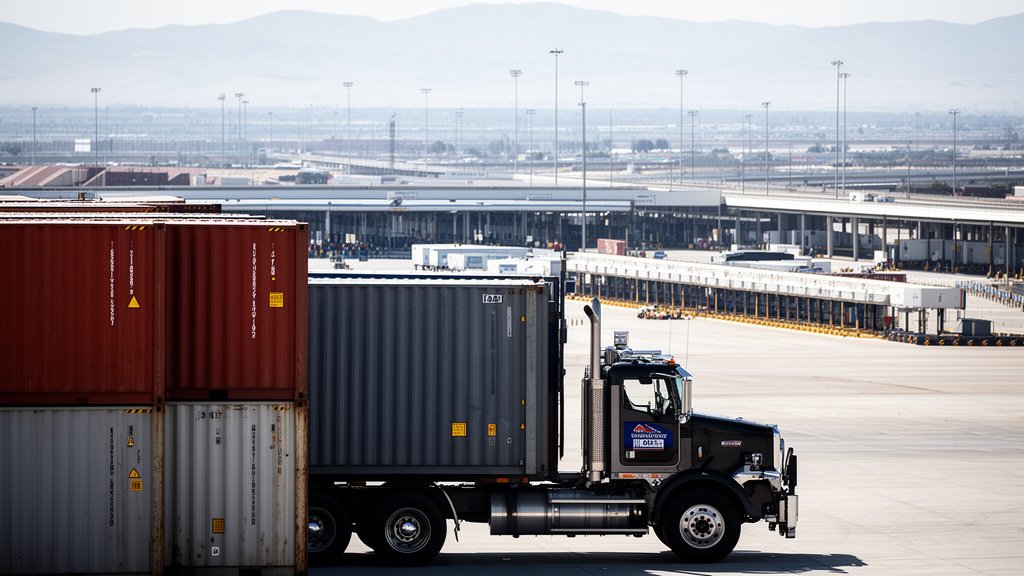
Canada’s retaliatory tariffs have officially taken effect today, signaling a significant escalation in the ongoing trade standoff with the United States. This move, characterized by the Canadian government as a necessary defense of its domestic industrial interests, follows weeks of diplomatic friction and heightened rhetoric regarding U.S. trade policy. The imposition of these levies is directly tied to recent aggressive posturing from the U.S. administration, specifically concerning threats against Bombardier Aviation, which have sent shockwaves through the cross-border aerospace manufacturing sector. As these tariffs now permeate the supply chain, local and regional officials across North America are expressing profound concern over the potential for long-term job losses and the destabilization of integrated economic zones.
Key Highlights
- Retaliation Activated: The Canadian government has officially implemented a comprehensive list of retaliatory tariffs, targeting a strategic array of U.S. goods in response to American protectionist measures.
- The Bombardier Flashpoint: At the core of the conflict is a specific threat against Bombardier Aviation, a major employer in Canada’s aerospace sector, which has become a lightning rod for broader trade tensions.
- Supply Chain Fragility: Experts warn that the interdependent nature of the North American automotive and aerospace industries means these tariffs will likely increase costs for manufacturers on both sides of the border.
- Economic Anxiety: Provincial and state officials have voiced critical concerns, highlighting the risk to high-skilled jobs and the potential for a prolonged period of market volatility.
The Anatomy of the Standoff: Manufacturing Under Pressure
The current implementation of Canada’s retaliatory tariffs is not a sudden, isolated event but rather the culmination of months of deteriorating trade relations between Washington and Ottawa. While the rhetoric often focuses on broad geopolitical principles, the tangible impact is being felt in specific industrial sectors—most notably in the aerospace and advanced manufacturing clusters. The dispute surrounding Bombardier Aviation serves as a definitive case study in how modern trade policy can disrupt highly specialized global supply chains.
The Bombardier Dispute: A Catalyst for Contention
Bombardier Aviation has long been a crown jewel of the Canadian industrial landscape. The recent threats leveled against the company by U.S. leadership have been interpreted in Ottawa as an existential challenge to the Canadian aerospace sector. The contention primarily revolves around allegations of unfair competitive advantages, which U.S. regulators have frequently cited as justification for potential punitive measures. However, Canadian officials maintain that these accusations disregard the complexities of the North American aerospace value chain, which sees parts, engineering, and assembly processes flowing seamlessly across the border. By targeting this entity, the U.S. administration has inadvertently touched a nerve that resonates far beyond the factory floor, drawing in provincial leadership in Quebec and Ontario who view the protection of these high-value jobs as an essential priority.
The Economic Ripple Effect: Beyond Aerospace
The retaliatory measures imposed by Canada are designed to be precise, aiming to exert maximum diplomatic leverage while minimizing domestic collateral damage. However, the nature of the North American integrated market means that isolating the economic impact is nearly impossible. As these tariffs take effect, industries ranging from aluminum smelting to specialized automotive component manufacturing are bracing for volatility. Economists argue that the primary risk is not just the immediate cost of the tariffs, but the long-term uncertainty they introduce. When manufacturers cannot predict the landed cost of their raw materials or components, investment stalls, and innovation projects are shelved. This ‘wait-and-see’ approach is currently spreading through corporate boardrooms in both nations, threatening to suppress industrial growth metrics in the upcoming fiscal quarter.
Diplomatic Tightrope: The Path to De-escalation
The diplomatic fallout of this standoff is equally significant. Canada, traditionally one of the United States’ closest economic allies, is now forced into a position of fiscal confrontation. This dynamic poses a challenge for federal leaders who must balance the necessity of defending national interests with the strategic imperative of maintaining a healthy trade relationship with their largest commercial partner. The reliance on the U.S.-Canada-Mexico Agreement (USMCA) frameworks—and the apparent inability of these frameworks to prevent the current escalation—raises questions about the durability of existing trade architecture. Without a clear mechanism to mediate the current impasse, analysts predict a protracted period of negotiation where both parties may feel compelled to ‘double down’ rather than negotiate, further isolating domestic markets from the benefits of regional integration.
Secondary Angles: Exploring the Long-Term Consequences
1. The Inflationary Pressure on SMEs: While large multinationals may possess the balance sheets to absorb or mitigate tariff costs, small-to-medium-sized enterprises (SMEs) in the supply chain are particularly vulnerable. The lack of elasticity in their pricing models suggests that these businesses may be forced to pass costs directly to the consumer, potentially fueling localized inflationary pressures.
2. The Shift in Manufacturing Alliances: Continuous trade instability often forces companies to diversify their supply chains. If the U.S.-Canada corridor remains volatile, it is highly probable that manufacturers will begin looking toward other markets, such as Mexico or Southeast Asia, for more stable long-term sourcing, which could permanently alter the North American manufacturing landscape.
3. Provincial Autonomy and Federal Policy: This dispute has highlighted a growing tension between provincial priorities and federal trade strategy. As regional economies in Canada become more exposed to U.S. protectionism, we may see provincial governments demanding greater input into federal trade negotiations, potentially complicating the domestic political landscape for the Canadian government moving forward.
FAQ: People Also Ask
Q: Why are these retaliatory tariffs being implemented now?
A: The tariffs are a response to specific U.S. administrative threats against key Canadian industries, particularly Bombardier Aviation. Canada is utilizing these measures as a strategic counter-leverage tool to discourage the continuation of protectionist policies targeting its economy.
Q: How will this affect the average consumer?
A: In the short term, consumers may see price increases in products that utilize cross-border components. In the long term, the economic uncertainty may lead to slower job growth and reduced investment in the manufacturing sector.
Q: Is there an end in sight to this trade standoff?
A: Currently, no definitive timeline for resolution exists. The situation remains fluid, and de-escalation will likely depend on high-level bilateral diplomatic talks and the potential for a formal review of the specific trade disputes currently at the center of the conflict.
More Stories
Costco Goes Nationwide on Uber Eats: A New Era for Bulk Delivery
Elena Rybakina Wins US Open, Ascends to World No. 1
Rubio Seals Security Pacts; Vance Drives Policy Agenda