











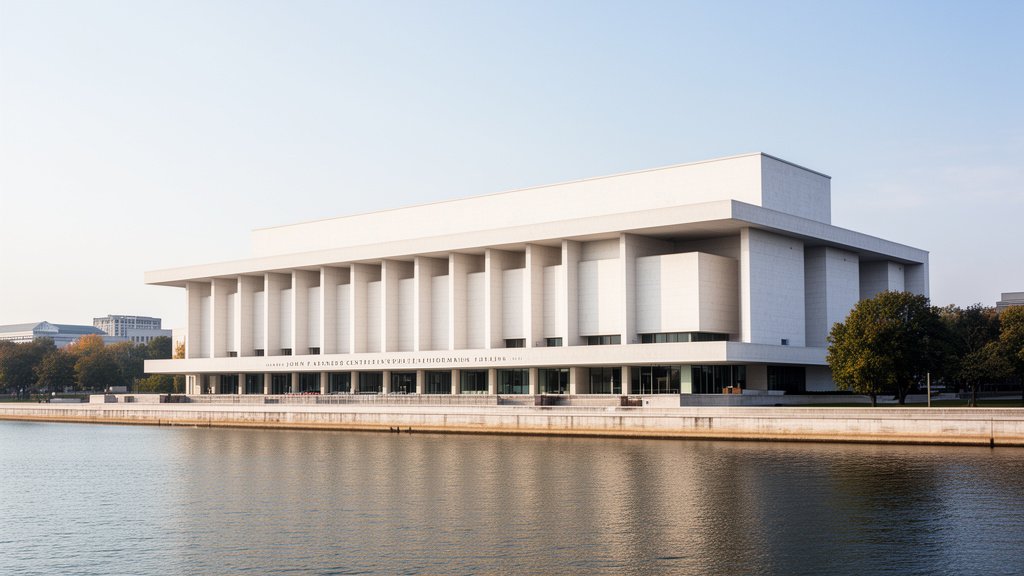
The Trump administration has issued a formal legal ultimatum to the John F. Kennedy Center for the Performing Arts, signaling a dramatic escalation in federal oversight. The administration has declared that the iconic D.C. landmark must undergo a comprehensive $250 million renovation to rectify significant structural and safety deficiencies. Failure to secure this funding and initiate the project will result in the total demolition of the facility, marking one of the most aggressive federal interventions in the history of a major American cultural institution.
The $250 Million Ultimatum: A Breakdown
The administration’s demand centers on a detailed report alleging that the aging infrastructure of the Kennedy Center has reached a critical threshold of neglect. The $250 million figure is not arbitrary; it represents a calculated estimate intended to address immediate hazards, including failing HVAC systems, outdated fire suppression protocols, and the degradation of the center’s signature concrete facade. Federal overseers argue that the building—originally opened in 1971—no longer meets current safety codes and poses a liability to the government, which holds the title to the property.
This demand places immense pressure on the Center’s board of trustees, who now face the dual challenge of fundraising on an unprecedented scale while navigating a looming deadline imposed by the White House. The administration has clarified that the federal government is unwilling to continue subsidizing what it deems a ‘structurally hazardous environment.’
Structural Decay and Safety Compliance
At the core of this dispute are long-standing concerns regarding the integrity of the building’s massive design. Engineered by architect Edward Durell Stone, the structure is a masterpiece of brutalist design, but years of exposure to the Potomac River’s humidity and the wear of millions of visitors have taken a toll. Internal audits cited by the administration suggest that the deterioration of the building’s structural steel and the porosity of the exterior cladding have accelerated significantly over the last decade.
Critics of the administration’s hardline stance argue that while the building certainly requires maintenance, a threat of total demolition is a disproportionate and destructive measure. However, the administration’s legal counsel maintains that the current state of the facility creates a ‘non-negligible risk’ to public safety, and that without a massive influx of capital, the only fiscally responsible path forward is the removal of the structure entirely.
Historical and Cultural Legacy: A Living Memorial
The John F. Kennedy Center for the Performing Arts is more than just a theater; it is a federally designated national monument and the only official living memorial to President John F. Kennedy. Demolishing the site would not only strip the capital of its premier performing arts venue but would also ignite a firestorm of controversy regarding the erasure of presidential legacy.
Advocates for the arts suggest that the building’s historical status should grant it protections that bypass standard infrastructure condemnation laws. Yet, the administration’s current legal position appears to override these cultural protections, treating the Center primarily as a federal asset that must be managed according to strict balance-sheet criteria.
The Economic Ripple Effect
Beyond the architectural and cultural implications, the potential demolition of the Kennedy Center would devastate the District of Columbia’s arts economy. The venue acts as a primary economic engine, drawing international tourists and supporting thousands of local jobs in hospitality, stagecraft, and administration.
Local economic analysts warn that the loss of such a facility would permanently alter the tourism landscape of Washington, D.C. If the threat is carried out, the city risks losing its status as a primary destination for touring Broadway productions, symphonies, and ballet companies, effectively creating a ‘cultural desert’ in the heart of the capital. Investors are currently scrambling to understand if private-public partnerships can bridge the $250 million gap before the administration’s deadline expires.
Future Projections and Political Calculus
Looking ahead, the situation remains fluid. Political observers suggest that this ultimatum may serve as a leverage point in broader negotiations regarding federal funding for the arts. By threatening the existence of such a high-profile institution, the administration has forced a conversation about the role of federal ownership in public art spaces.
If the funding is not secured, the administration may be forced to choose between backing down or following through on an unprecedented act of institutional destruction. Conversely, should the board secure the $250 million, the resulting renovation would likely modernize the center, securing its future for another fifty years. However, the path to that resolution remains fraught with administrative hurdles and political volatility.
FAQ: People Also Ask
Is the Kennedy Center technically a federal building?
Yes. The John F. Kennedy Center for the Performing Arts is an independent entity, but it receives federal funding and is situated on federally owned land, placing it under the regulatory purview of the administration.
What are the main structural issues cited by the administration?
Reports indicate concerns over the integrity of the HVAC and fire suppression systems, as well as the long-term degradation of the concrete and structural steel of the building’s exterior.
Can the administration legally demolish a national monument?
This is a central point of legal contention. While the Kennedy Center is a living memorial, its status as a government-owned building gives the administration significant authority to declare it a hazard and order its removal if safety criteria are not met.
How will this impact the upcoming season of performances?
While the threat looms, programming continues. However, long-term bookings for future seasons are currently being reviewed with heightened caution as the board assesses the viability of the facility.
What happens if the $250 million is not raised?
According to the current administration directive, failure to meet the funding and renovation mandate by the specified deadline will trigger the formal process for the permanent closure and demolition of the facility.
More Stories
U.S. Repatriates 64 Cultural Relics and Fossils to China
Betting on Viral Fame: Novig’s Strategic Use of Sydney Sweeney
DHS Scrubs Optimus Prime Posts After AI Misuse Backlash