











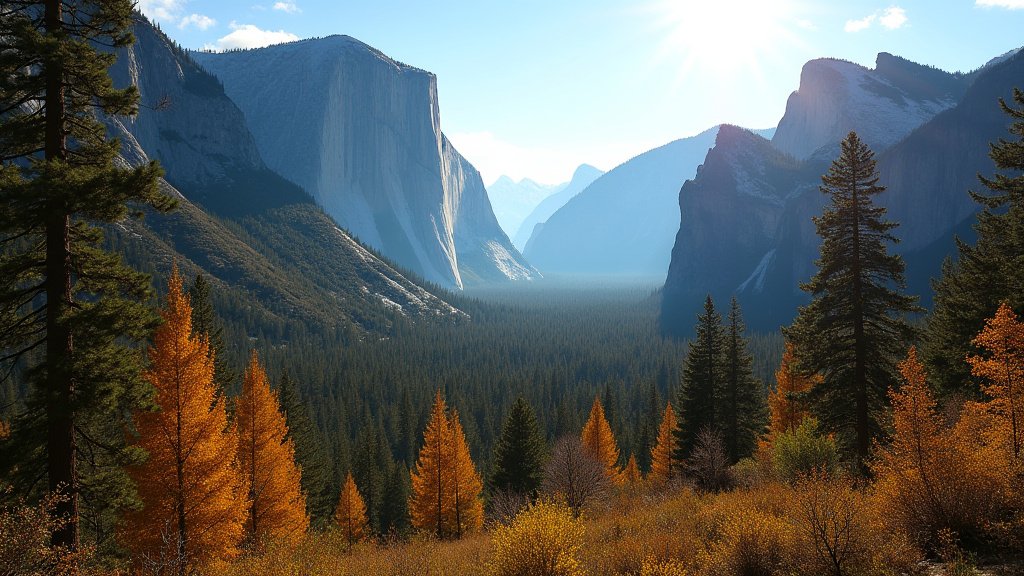
In late 2020, as the political landscape shifted during the final months of the Trump administration, a quiet but intense battle unfolded within the Department of the Interior regarding a controversial proposal to transfer a parcel of land within Yosemite National Park to a private entity. The initiative, which sought to facilitate a private access road for Kingsbarn Realty Capital, sent shockwaves through the National Park Service (NPS) and environmental advocacy groups, sparking an internal clash over the preservation of public lands versus corporate development. This report examines the mechanics of that proposal, the dissent it generated, and the broader implications for the management of America’s most protected landscapes.
Key Highlights
- The Proposal: Kingsbarn Realty Capital sought an easement or land swap involving a parcel in Yosemite’s Wawona area to facilitate private road access for a development project.
- Internal Opposition: Career staff at the National Park Service expressed significant concern, viewing the proposal as a violation of the agency’s core mission to protect park resources.
- Political Timing: The push occurred during the transition period of the Trump administration, highlighting vulnerabilities in land management policy during executive turnover.
- Environmental Stakes: The Wawona parcel is ecologically sensitive; transferring control to a private developer posed risks to local wildlife and park aesthetics.
The Anatomy of the Wawona Controversy
The controversy centered on the Wawona area, a historically significant section of Yosemite National Park located near the park’s southern entrance. In late 2020, reports emerged that political appointees within the Department of the Interior were actively exploring a deal to benefit Kingsbarn Realty Capital, a real estate investment firm. The firm reportedly sought to secure access to private land adjacent to the park, and the proposed mechanism was a land exchange or the granting of a permanent easement across federally protected ground.
For the Trump administration’s Interior Department, led by Secretary David Bernhardt, this was framed as a logistical necessity—a way to resolve longstanding property access issues. However, to the National Park Service career staff, the proposal was anathema to the Organic Act of 1916, which mandates that the NPS preserve the scenery, natural and historic objects, and wildlife within the parks for the enjoyment of future generations. The friction between the political appointees and the career professionals became a hallmark of the department’s final months, as policy priorities shifted rapidly toward aggressive deregulation and asset optimization.
The Mechanics of the Dispute
The specific land in question was not merely vacant acreage; it was a buffer zone vital for maintaining the isolation and ecological integrity of Yosemite. The proposal to carve out a road access for a private real estate project set a dangerous precedent: the utilization of federal trust land to maximize the valuation and accessibility of adjacent private luxury development.
Documents and internal communications that surfaced during this period revealed that NPS officials were pushed to find a ‘pathway’ for approval. This pressure was met with stiff resistance from senior park management and regional directors who argued that such a deal would be legally indefensible and would invite similar requests from other private developers nationwide. The fear was that if Yosemite, the crown jewel of the national park system, could be carved up for private access, no national park in the country would be safe from similar encroachments.
The Role of Corporate Interest in Public Policy
Kingsbarn Realty Capital’s interest in the Wawona area was linked to the desire to enhance the commercial viability of their regional holdings. In the context of federal land management, the line between ‘infrastructure improvement’ and ‘private subsidy’ is often thin. Critics of the administration’s handling of the deal argued that it represented a ‘pay-to-play’ dynamic, where entities with access to political power could bypass the grueling environmental review processes that standard citizens or smaller stakeholders are forced to navigate.
This incident provides a stark case study in the tension between the ‘Multiple Use’ mandate often favored by Department of the Interior appointees and the ‘Preservationist’ mandate maintained by the National Park Service. While proponents argued that the road would improve regional connectivity, the overwhelming consensus from environmental experts was that the cost—permanently altering a piece of Yosemite—far outweighed any localized economic benefit.
Implications for Federal Land Management
The push to trade Yosemite land for private gain did not happen in a vacuum. It was the culmination of a four-year strategy by the administration to shift the management priorities of the Bureau of Land Management (BLM) and the NPS toward energy development and, in cases like this, real estate facilitation. The resistance from career employees, who essentially ran a ‘slow-walk’ campaign against the proposal, proved effective.
By stalling the administrative paperwork, expressing formal dissent in internal memos, and signaling that they would leak the details of the arrangement to the press and oversight committees, NPS staff effectively ran out the clock. The proposal stalled as the Biden administration took office in January 2021, and with the change in leadership, the Department of the Interior pivoted back to traditional conservationist policies. The Wawona incident serves as a crucial reminder of how fragile institutional protections are and how essential the role of the career civil service is in acting as a firewall against executive overreach.
The Legacy of the Wawona Push
Looking back, the Wawona proposal remains a case study in the fragility of public land status. While the physical land remains protected today, the incident highlighted a vulnerability in the system: administrative decrees. The episode galvanized the conservation community, leading to increased scrutiny of land-swap deals and easement requests in all federal parks. It underscored that the integrity of the national parks is not a static condition; it is a legal and political status that requires constant vigilance, not just from the public, but from the institutions charged with their stewardship. The failure of the Kingsbarn deal to materialize did not necessarily end the desire for such projects, but it did create a cautionary tale for any future administration attempting to view the National Park system as a reservoir of real estate assets rather than a sacred public trust.
FAQ: People Also Ask
1. Was any land ever actually transferred to Kingsbarn Realty Capital?
No. Due to intense opposition from National Park Service career staff and the transition in presidential administrations, the proposal was halted before any land transfer or permanent easement was finalized.
2. Why did the Trump administration support this land transfer?
Political appointees at the Department of the Interior argued that the proposal was a logistical fix to facilitate access to private property. Critics, however, characterized it as an attempt to leverage public assets to increase the value of a private development project.
3. What is the status of the Wawona parcel today?
The Wawona parcel remains under the full jurisdiction and protection of the National Park Service as part of Yosemite National Park. No construction of a private road has occurred on the land.
4. Does this incident set a legal precedent?
Because the deal was never completed, it did not set a formal legal precedent. However, it remains a critical case study for environmental policy analysts regarding how political pressure can be applied to land management agencies and how career civil servants can resist such efforts.
More Stories
U.S. Repatriates 64 Cultural Relics and Fossils to China
Betting on Viral Fame: Novig’s Strategic Use of Sydney Sweeney
DHS Scrubs Optimus Prime Posts After AI Misuse Backlash