











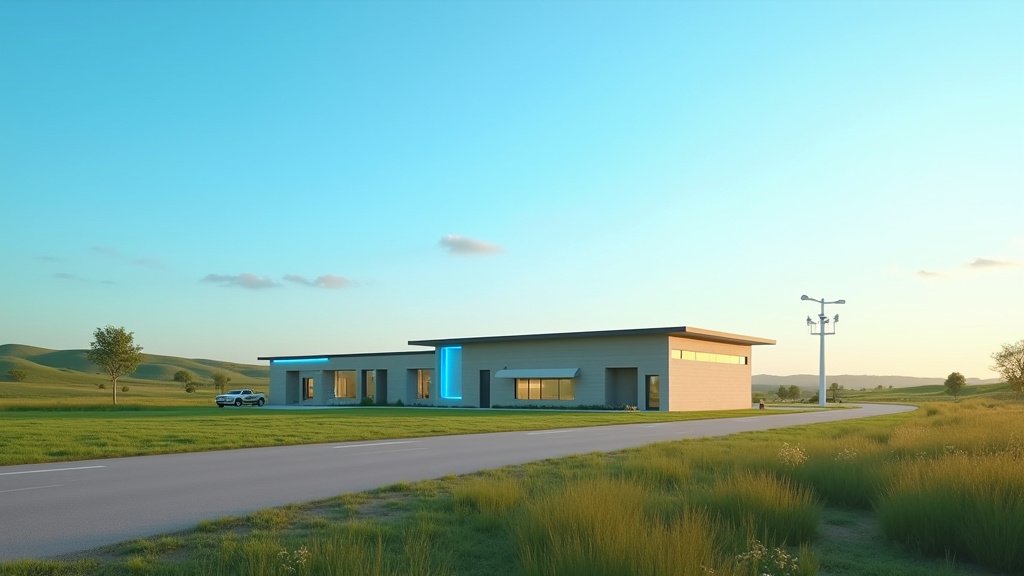
Working Families Tax Cuts are poised to inject significant funding into rural healthcare systems, a move expected to bolster access to essential services for underserved communities. This initiative aims to address long-standing disparities in healthcare availability and quality across the nation’s heartland.
Key Highlights:
- Increased funding for rural clinics and hospitals.
- Focus on expanding telehealth services in remote areas.
- Support for training and retention of healthcare professionals in rural settings.
- Potential for new healthcare facilities and improved infrastructure.
Investing in Rural Health Infrastructure
The Working Families Tax Cuts, a legislative package championed by bipartisan lawmakers, allocates substantial resources aimed at revitalizing the healthcare landscape in rural America. For too long, communities outside major metropolitan areas have struggled with limited access to medical care, a shortage of healthcare professionals, and outdated facilities. This new wave of funding seeks to directly confront these challenges, promising a tangible improvement in the quality of life and health outcomes for millions of Americans.
Expanding Access Through Technology
A significant portion of the allocated funds will be dedicated to the expansion and enhancement of telehealth services. The pandemic starkly illuminated the critical role of remote healthcare solutions, and this initiative seeks to build upon that momentum. By investing in robust broadband infrastructure and user-friendly digital platforms, the program aims to connect rural patients with specialists and primary care providers regardless of geographical barriers. This includes funding for remote monitoring devices, virtual consultations, and digital health records, making healthcare more accessible and convenient.
Addressing the Healthcare Workforce Shortage
Another critical component of the Working Families Tax Cuts is the focus on bolstering the rural healthcare workforce. Rural areas have historically faced difficulties in attracting and retaining doctors, nurses, and other medical personnel. The new funding will support programs designed to incentivize healthcare professionals to practice in underserved areas. This includes scholarships for students who commit to rural service, loan forgiveness programs, and initiatives to improve living and working conditions for healthcare workers in these regions. The goal is to build a sustainable pipeline of medical talent that can meet the growing needs of rural populations.
Modernizing Facilities and Services
The legislation also earmarks funds for the modernization of existing rural healthcare facilities and the potential construction of new ones. Many rural hospitals operate on thin margins, struggling with aging infrastructure and a lack of advanced medical equipment. The tax cuts provide an opportunity to upgrade facilities, invest in state-of-the-art diagnostic tools, and expand the range of services offered. This could range from equipping clinics with the latest imaging technology to establishing specialized care units, ensuring that rural residents have access to the same level of care as their urban counterparts.
Economic Ripple Effects
Beyond the direct impact on healthcare, the investment in rural health is expected to have positive economic ripple effects. Improved healthcare infrastructure can attract new businesses and residents to rural areas, fostering economic growth and diversification. Furthermore, the creation of jobs within the healthcare sector and related industries will provide much-needed employment opportunities. The focus on working families also implies support for childcare and other social services that enable individuals to participate more fully in the workforce, further strengthening local economies.
FAQ: People Also Ask
What are the main goals of the Working Families Tax Cuts regarding rural healthcare?
The primary goals are to increase access to healthcare services, improve the quality of care, address the shortage of healthcare professionals in rural areas, and modernize healthcare infrastructure through increased funding and technological advancements.
How will telehealth be expanded under this initiative?
The initiative will invest in broadband infrastructure, digital platforms, remote monitoring devices, and virtual consultation tools to connect rural patients with healthcare providers more effectively.
What measures are being taken to address the shortage of healthcare workers in rural areas?
Funding will support scholarships, loan forgiveness programs, and initiatives to improve working and living conditions for healthcare professionals who commit to serving in rural communities.
Can this investment in rural healthcare benefit the local economy?
Yes, improved healthcare can attract businesses and residents, create jobs in the healthcare sector and related industries, and support overall economic growth in rural regions.
What kind of facilities will benefit from this funding?
The funding is intended for existing rural clinics and hospitals, as well as potentially for the construction of new facilities, enabling upgrades to infrastructure, equipment, and services.
More Stories
Costco Goes Nationwide on Uber Eats: A New Era for Bulk Delivery
Elena Rybakina Wins US Open, Ascends to World No. 1
Rubio Seals Security Pacts; Vance Drives Policy Agenda