









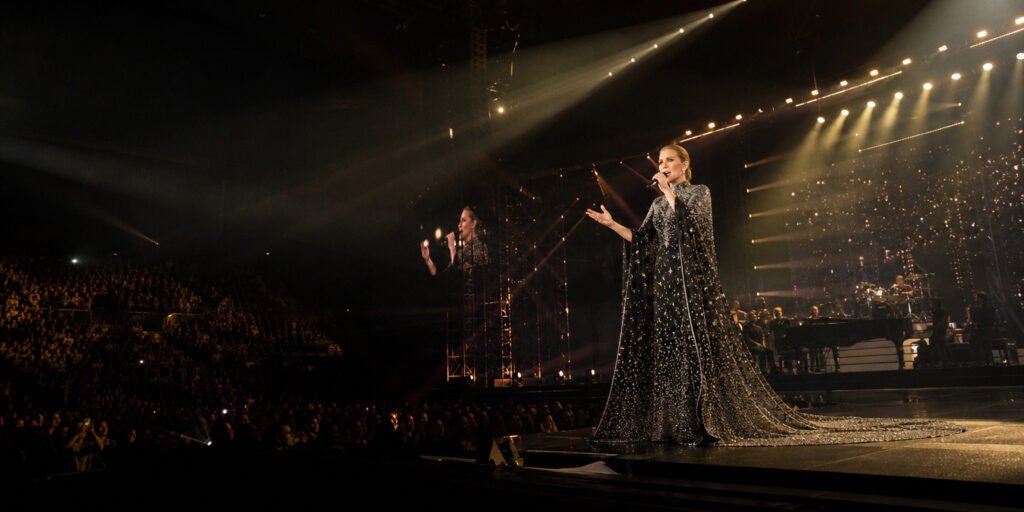
Céline Dion has officially returned to the stage, delivering a breathtaking and emotional performance for 30,000 fans at Paris’s Plenitude Arena. This landmark concert marks a definitive, high-stakes comeback for the legendary singer, who has spent the last year courageously documenting her battle with the rare neurological disorder, stiff-person syndrome (SPS). The night was characterized by raw vocal power and an palpable connection between the artist and her audience, proving that Dion’s artistic spirit remains as formidable as ever.
Key Highlights
- A triumphant return to live performance following a rigorous hiatus due to health concerns.
- Céline Dion performed for a sold-out crowd of 30,000 fans at the Plenitude Arena in Paris.
- The performance underscores her resilience and ongoing, transparent management of stiff-person syndrome.
- The event follows the widespread critical and emotional acclaim of her documentary, ‘I Am: Céline Dion,’ which provided a window into her treatment process.
A Global Icon’s Return: The Plenitude Arena Milestone
The air inside the Plenitude Arena was thick with anticipation as the lights dimmed, marking the beginning of what many, including industry insiders, are calling the most significant comeback event of the decade. Céline Dion’s return to the stage in Paris was more than a concert; it was a testament to the power of human endurance. For 30,000 fans in attendance, the experience transcended entertainment, becoming a shared moment of relief and celebration for an artist who has been a pillar of global pop culture for over three decades.
The Road to the Stage: Managing Stiff-Person Syndrome
For the past several years, Dion’s narrative has been understandably dominated by her diagnosis of stiff-person syndrome—a progressive neurological disorder that causes muscle stiffness and painful spasms. The condition, which forced her to cancel long-standing tours, became a focal point of public concern. However, her appearance at the Plenitude Arena shattered any lingering doubts about her ability to command a stadium.
Experts in physical therapy and vocal health have noted that the endurance required to perform for a stadium audience is immense, even without chronic health challenges. Her ability to deliver a sustained, world-class set suggests a highly disciplined rehabilitation regimen. This concert serves as a masterclass in how artists can adapt their performance styles to accommodate long-term health management without sacrificing the quality or emotional depth of their work.
The ‘I Am: Céline Dion’ Effect
The timing of this Paris showcase is strategically and emotionally significant, occurring in the wake of her documentary, ‘I Am: Céline Dion.’ The film offered an unvarnished look at the reality of SPS, stripping away the polish of celebrity to show the daily reality of her treatment and physical struggles. By exposing these vulnerabilities, Dion redefined her relationship with her fanbase. The audience at the Plenitude Arena was not just cheering for a legacy act; they were cheering for a woman who had invited them into her most private, difficult moments. This vulnerability has arguably created a stronger, more symbiotic bond between the singer and her fans, turning every song into a collective emotional release.
Economic and Cultural Implications of the Comeback
The economic impact of a headline performer of Dion’s stature returning to the stage is substantial. Beyond the ticket sales at the Plenitude Arena, the surrounding hospitality, travel, and tourism sectors in Paris saw a distinct spike in activity, reinforcing the ‘Céline effect’ on local economies. Culturally, her return is a bellwether for the live music industry, demonstrating that there is still a massive, unwavering appetite for legendary performers who prioritize authenticity and connection over manufactured stage personas. As the industry watches, Dion’s successful return provides a blueprint for how legacy acts can navigate health crises while maintaining, or even elevating, their cultural relevance.
FAQ: People Also Ask
How does stiff-person syndrome affect a performer like Céline Dion?
Stiff-person syndrome is a rare neurological disorder characterized by muscle stiffness and painful, unpredictable spasms. For a vocalist and performer, it is particularly challenging because it impacts posture, breathing, and physical movement—all essential components of stage performance. Dion has been open about the exhaustive daily therapies required to manage these symptoms.
What is the significance of the Paris concert in the context of her documentary?
The documentary ‘I Am: Céline Dion’ was widely praised for its raw, unfiltered look at her illness. This concert acts as a public ‘next chapter,’ proving that despite the vulnerability shown on screen, she has successfully rehabilitated to a point where she can perform at the highest level of professional live music.
Will this Paris performance lead to a full-scale world tour?
While representatives have not confirmed a full global tour, the success at the Plenitude Arena indicates that Dion’s team is actively testing the waters. Industry analysts suggest that if this performance can be replicated safely, limited-run residencies or selective high-profile appearances are the most likely next steps for her schedule.
How have fans reacted to her return to the stage?
Fan response has been overwhelmingly positive. The concert at the Plenitude Arena was marked by emotional outbursts from the crowd, with many fans citing the performance as a ‘miracle’ given the severity of the symptoms she detailed in her documentary. The community support has been a major pillar in her recovery journey.
More Stories
Lady Gaga Welcomes Daughter Rose Bean Polansky
Ranbir & Alia Launch Major 20-School Mumbai Makeover
Kevin Hart Confirmed to Host the 99th Academy Awards