











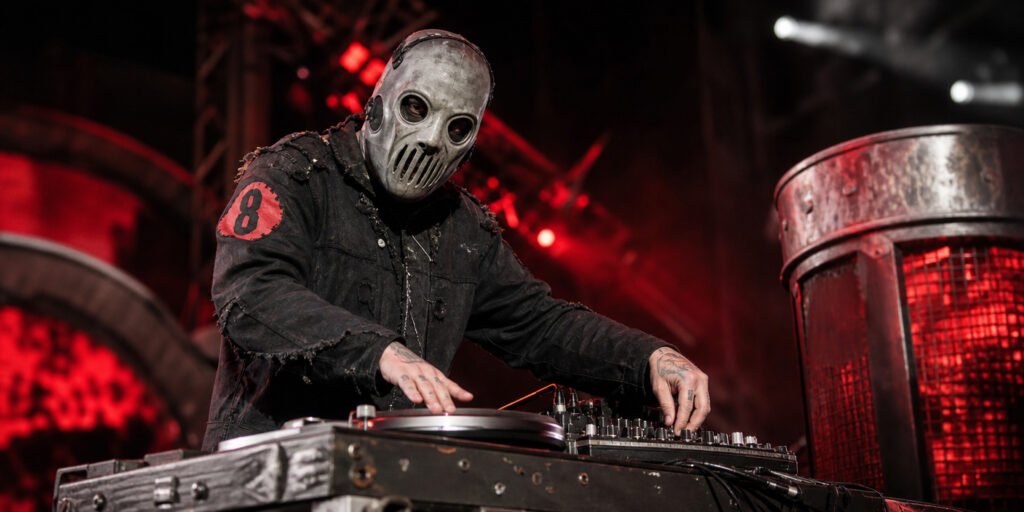
In a definitive move that signals the end of a historic era for one of heavy metal’s most influential acts, Slipknot has officially confirmed that the band will no longer be associated with long-time member Sid Wilson. The announcement, which confirms the departure of the man known as ‘DJ Starscream,’ concludes a monumental 28-year tenure that saw Wilson stand as a cornerstone of the group’s sonic identity since their inception in Des Moines, Iowa.
Key Highlights
- Official Separation: Slipknot has released a formal statement confirming that Sid Wilson is no longer associated with the band, ending his nearly three-decade-long career with the group.
- The End of an Era: This departure marks the conclusion of a 28-year run, making Wilson one of the original and longest-serving members of the band’s iconic lineup.
- Legacy Impact: As the band’s DJ and turntablist, Wilson was instrumental in crafting the abrasive, industrial-infused sound that defined the nu-metal genre and catapulted Slipknot to global stardom.
- Future Uncertainty: The band has not yet provided specific details regarding a replacement or how this split will affect their upcoming tour cycles and production schedules.
The Evolution and Legacy of a Nu-Metal Pioneer
The separation of Sid Wilson from Slipknot is not merely a change in personnel; it represents a fundamental shift in the architecture of the band that helped define the turn-of-the-millennium heavy metal sound. Wilson, known to fans by his stage persona DJ Starscream, was not just a member—he was a kinetic force, a chaotic element that brought a layer of hip-hop-influenced scratches and industrial noise to the group’s percussion-heavy assault.
The Original Nine and the Iowa Sound
For fans of the Des Moines collective, the ‘Original Nine’ era carries almost mythical weight. Wilson was there from the beginning, providing the distinct, high-pitched scratching that underscored tracks like ‘Wait and Bleed’ and ‘Surfacing.’ His presence was vital in bridging the gap between the band’s metal roots and their experimental, genre-bending tendencies. Over the last 28 years, as the band evolved through the release of albums like Iowa, Vol. 3: (The Subliminal Verses), and All Hope Is Gone, Wilson’s role remained consistent. He was the sonic glue that held the band’s diverse, overlapping layers of percussion together.
His departure forces a re-evaluation of the band’s historical continuity. With several key members from the original lineup having already moved on or passed away, Wilson’s exit leaves a significant void in the band’s narrative. The group has been praised for its ability to maintain a consistent ‘Slipknot’ aesthetic despite these changes, but losing a member with nearly three decades of tenure is a hurdle of a different magnitude.
Sonic Architecture: Beyond the Turntables
To understand the magnitude of this split, one must analyze the unique position Wilson occupied. In the context of heavy metal, the inclusion of a dedicated DJ was controversial in the 90s. Wilson proved that turntablism could be as aggressive and atmospheric as any guitar riff. He brought a texture to the band’s live performances that could not be replicated by studio samples or backing tracks. His energetic, often acrobatic stage persona—which frequently involved diving into the crowd—became synonymous with the danger and excitement of a Slipknot show.
As the industry looks at how the band will compensate for his absence, many music critics are questioning whether the band will evolve its sound to deemphasize the DJ elements or seek a replacement who can replicate that specific 28-year-refined style. The loss of Wilson is a loss of a specific era of Slipknot’s audio engineering; he helped architect the sound that allowed the band to transcend the ‘nu-metal’ label and become a globally recognized, stadium-filling entity.
Cultural Impact and the Future of the Brand
Slipknot has grown from a band into a brand—encompassing Knotfest, merchandise lines, and a dedicated, cult-like fanbase. Wilson was central to the band’s visual identity, particularly through his ever-evolving, terrifying masks. His departure raises questions about the future of this brand. Will the band continue to lean into the industrial chaos that defined their early years, or will they continue the trajectory of their more recent, polished, and experimental releases?
Furthermore, the departure invites speculation on the future of Sid Wilson’s solo career. As a prominent figure in the underground dance and electronic scene under his DJ Starscream alias, Wilson has always maintained a separate creative identity. This split might allow him to pursue his solo artistic visions with renewed focus, free from the constraints of the Slipknot machine. For the fans, however, the immediate focus remains on the loss of a pivotal figure who has been a constant presence in their music since 1996.
FAQ: People Also Ask
Q: How long was Sid Wilson with Slipknot?
A: Sid Wilson was a member of Slipknot for 28 years, having been part of the group’s formation and initial rise to global fame in the late 1990s.
Q: What was Sid Wilson’s role in the band?
A: Sid Wilson served as the band’s DJ and turntablist. Known as DJ Starscream, he was responsible for adding the industrial scratching and experimental sonic layers that were integral to the group’s signature sound.
Q: Will Slipknot replace Sid Wilson?
A: As of the current announcement, Slipknot has not confirmed whether they will seek a permanent replacement for the position of DJ. The band has only officially stated that they will no longer be associated with him.
Q: Why did Slipknot part ways with Sid Wilson?
A: The band’s statement has been limited to the fact that they will no longer be associated with him. No specific reasons or circumstances regarding the split have been publicly released by the band representatives at this time.
More Stories
Lady Gaga Welcomes Daughter Rose Bean Polansky
Ranbir & Alia Launch Major 20-School Mumbai Makeover
Kevin Hart Confirmed to Host the 99th Academy Awards