











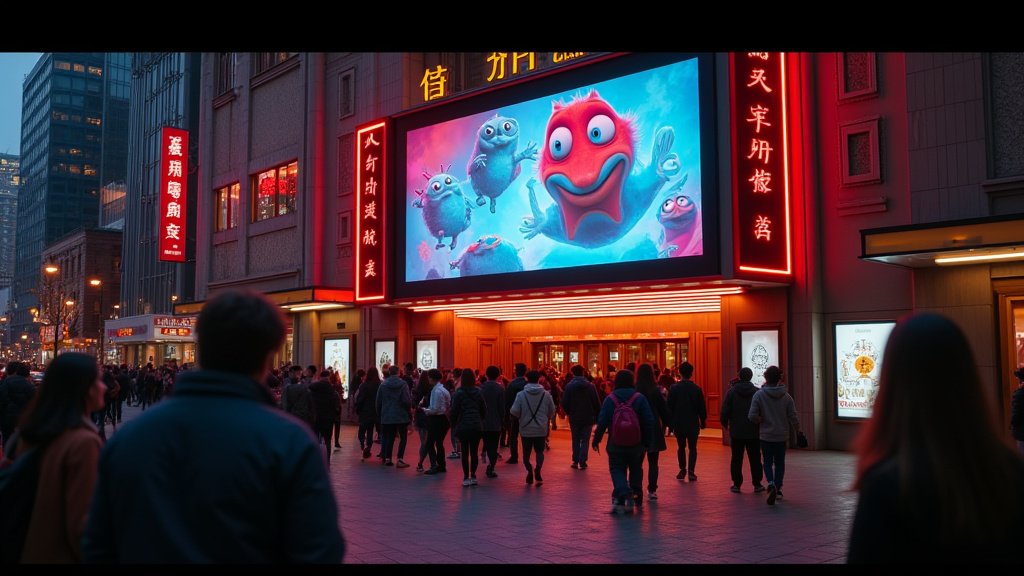
The landscape of the Chinese film market shifted dramatically on August 17, 2026, when the low-budget animated feature “Niulai” transformed from a critically derided flop into a box-office phenomenon. Initially dismissed by mainstream critics and early audiences as “terrible” due to its unsettling, uncanny, and arguably “eerie” animation style, the film defied industry standard predictions to secure a massive surge in ticket sales. This unexpected development has sparked a wider conversation about the role of irony, internet culture, and the changing definition of a “hit” in the digital age.
Key Highlights
- A Viral Inflection Point: Despite a barrage of negative reviews regarding its animation quality, “Niulai” saw an unprecedented spike in attendance on Monday, August 17, 2026.
- Irony as Marketing: The film’s “eerie” and “terrible” aesthetic inadvertently turned it into a cult object on social media platforms, transforming derision into a ticket-driving force.
- Industry Disruption: The box-office performance of “Niulai” challenges traditional production values, suggesting that high-budget technical polish may no longer be the sole prerequisite for commercial success.
The Paradox of Niulai: Deconstructing the Viral Surge
For weeks, the discourse surrounding “Niulai” was overwhelmingly negative. Industry analysts had categorized the film as a cautionary tale of low-budget animation gone wrong, with social media users sharing clips of the film’s erratic, uncomfortable character movements and jarring visual composition. In the Chinese film market, where expectations for animation quality have been steadily rising, “Niulai” was viewed by many as an embarrassment. However, the data from August 17 tells a vastly different story, proving that in the modern digital ecosystem, the line between “bad” and “must-see” has become increasingly porous.
The Anatomy of the August 17th Pivot
What happened on August 17, 2026, is a textbook case of viral momentum overcoming institutional gatekeeping. As early as the preceding weekend, social media users began engaging in a form of “participatory mockery.” Instead of staying away from the film, audiences began organizing group outings to witness the “terrible” animation firsthand. What started as an exercise in irony transformed into a genuine box-office surge. By Monday morning, independent theater operators in several major metropolitan hubs reported that showings of “Niulai” were nearly sold out. The phenomenon suggests that the film ceased to be a cinematic product and instead became an experience—a “meme” brought to life on the silver screen.
Psychological Drivers: The ‘Hate-Watch’ Phenomenon
From a psychological perspective, “Niulai” tapped into the “hate-watch” culture that has become prevalent in streaming and video-sharing demographics. When the internet collectively decides a piece of media is uniquely flawed or “eerie,” the desire to participate in that shared experience often outweighs the desire for technical quality. This is not the first time a project has benefited from such a reception, but the scale of the financial impact seen on August 17 is notable for an animated feature in China. The film’s failure, in essence, became its greatest marketing asset.
Implications for Future Chinese Animation
The success of “Niulai” creates a complicated dilemma for production companies and investors. Traditionally, the trend in the Chinese animation industry has been toward high-fidelity CGI and polished, feature-film aesthetics designed to rival international standards. The sudden viability of a low-budget, critically panned film raises uncomfortable questions: Should studios lean into “viral” potential over technical artistry? While “Niulai” is likely an outlier, the economic reality of its August 17 surge provides hard evidence that digital discourse can, and will, force the hand of the box office. Studios are now left to ponder whether investing millions in high-end rendering is always the most profitable route, or if the next generation of audiences is more interested in content that generates social currency.
FAQ: People Also Ask
1. Why was ‘Niulai’ mocked initially?
The film was heavily criticized for its animation quality, which many viewers described as ‘terrible’ and ‘eerie,’ citing awkward character design and jarring, unnatural movements.
2. What caused the surge in ticket sales on August 17, 2026?
The surge was driven by viral internet discourse. Instead of deterring audiences, the negative reviews turned the film into a ‘must-see’ curiosity, with viewers flocking to cinemas to experience the film’s widely discussed flaws as a collective social event.
3. Will this success change the film industry?
‘Niulai’ serves as a unique case study that challenges the assumption that technical polish is required for box-office success. While unlikely to replace high-budget production, it may lead studios to rethink the economic value of ‘meme-ability’ and social media buzz compared to traditional critical acclaim.
More Stories
Lady Gaga Welcomes Daughter Rose Bean Polansky
Ranbir & Alia Launch Major 20-School Mumbai Makeover
Kevin Hart Confirmed to Host the 99th Academy Awards