










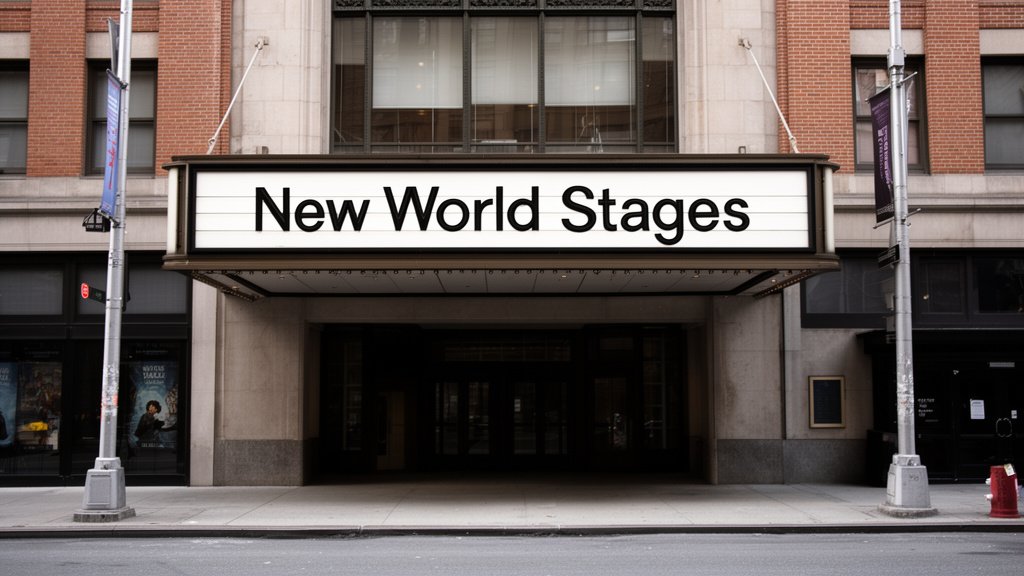
The vibrant energy of Broadway is set to shift venues as the hit musical ‘Two Strangers (Carry a Cake Across New York)’ prepares for its next chapter. Producers have officially confirmed that the production will conclude its Broadway run at the historic Longacre Theatre on November 29, 2026. This conclusion, however, marks a pivot rather than a final curtain call, with the show scheduled to transfer to the more intimate setting of New World Stages starting March 22, 2027.
Key Highlights
- Broadway Departure: The final Broadway performance at the Longacre Theatre is set for November 29, 2026.
- New World Stages Debut: The production reopens in its new Off-Broadway home on March 22, 2027.
- Strategic Realignment: This move allows the production to maintain its momentum in a venue that may better suit the intimate narrative style of the show.
The Strategic Pivot to Off-Broadway
The decision to transition ‘Two Strangers (Carry a Cake Across New York)’ from a Broadway house to the New World Stages complex is a calculated maneuver in the competitive landscape of New York theatre. While Broadway offers prestige and maximum seating capacity, it also brings significant overhead costs that necessitate a high weekly gross just to break even—often referred to as the ‘nut.’ By moving to New World Stages, a venue complex renowned for its versatility and suitability for long-running productions, the creative team is likely aiming to stabilize the show’s longevity. This venue change reflects a broader industry trend where productions that find a dedicated, niche audience can flourish by lowering their operating costs while retaining the essential theatrical experience.
Analyzing the Venue Dynamics
The Longacre Theatre, located on 48th Street, is a traditional proscenium house, offering a grand scale for musicals. In contrast, New World Stages, situated in the heart of the theatre district, offers various ‘black box’ and intimate theatre configurations. For a show like ‘Two Strangers’—which relies heavily on the chemistry between two leads and a relatively contained narrative scope—this move could actually enhance the audience’s emotional connection. In smaller venues, the audience becomes a ‘third character,’ heightening the tension and intimacy of the storytelling. This is a common strategy for shows that thrive on character-driven comedy and emotional resonance, allowing the performance to feel more immediate rather than projected to the back of a large balcony.
The Economic Calculus of Theatre Runs
The transition of a musical is rarely just an artistic choice; it is a financial necessity driven by the realities of the Great White Way. Broadway productions face exorbitant advertising costs, union stagehand requirements, and rental agreements that can drain a show’s reserves rapidly if ticket sales fluctuate even slightly. By moving to an Off-Broadway venue, the production can significantly reduce its weekly operating expenses. This shift allows the producers to extend the life of the show, keeping it accessible for a longer period. It also suggests that the producers are confident in the show’s ‘legs’—its ability to draw repeat audiences or new demographics over an extended period. This sustainability is crucial for intellectual property in the theatre world; a long-running production remains ‘fresh’ in the public consciousness, potentially opening doors for future regional tours, international licensing, or digital streaming adaptations.
Cultural and Artistic Impact
Beyond the spreadsheet, this move invites a new conversation about the ‘Broadway-to-Off-Broadway’ pipeline. Traditionally, the trajectory is the opposite, but successful shows that start with smaller, cult-like followings are increasingly finding that the scale of a Broadway house can be a burden. When a show moves to New World Stages, it essentially ‘resets’ its footprint. It allows the show to exist in a space where it is not competing against multi-million dollar blockbusters but is instead positioned as a unique, highly accessible theatrical event. For the fans who have followed the show’s journey from its early development, this move signifies a return to the roots of the production, prioritizing the emotional integrity of the music and the script over the grandeur of a large theatre house.
FAQ: People Also Ask
Q: Why is the show moving to New World Stages?
A: The move is a strategic decision to align the show’s operating costs with its venue size, aiming to maximize longevity and sustainability while maintaining the intimate, character-focused nature of the performance.
Q: Will the production change significantly after the move?
A: While venue changes often require adjustments to staging and choreography to fit a new space, producers generally strive to maintain the core artistic vision and performances that have made the show a success on Broadway.
Q: How does this affect ticket pricing?
A: Off-Broadway venues often offer a different pricing structure than Broadway theatres. While specific ticket prices for the New World Stages run have yet to be finalized, the move often allows for a more flexible range of ticketing options to attract both local theatregoers and tourists.
Q: Is this considered a ‘closing’ of the show?
A: It is a ‘closing’ on Broadway, but the production is continuing its life in New York City. The transfer ensures the show remains available for audiences to experience, simply in a different, more intimate environment.
More Stories
Cohu and Teverson Lead ‘In Praise of Love’ at Oxford
Cohu and Teverson to Lead Rattigan Revival at Oxford Playhouse
Scott Speedman Boards ‘Landman’ Season 3 in Mystery Role