







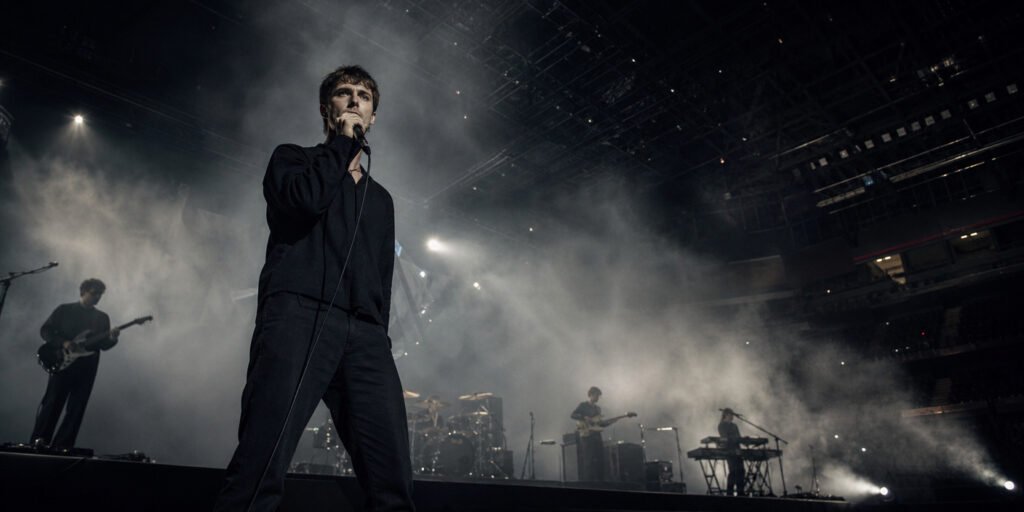
Fontaines D.C. have successfully completed the high-stakes transition from cult post-punk heroes to legitimate arena-filling monoliths, signaling a new chapter for the Dublin-born outfit. Their recent performance in Liverpool served as a sonic declaration of intent, proving that the band’s hallmark intensity—often associated with the claustrophobic energy of small, sweaty clubs—can not only survive but thrive within the vast, cavernous acoustics of a major arena. By balancing the grit of their early catalog with the expansive, cinematic textures of their recent work, Fontaines D.C. have solidified their standing as one of the most vital rock acts currently operating on the global stage.
Key Highlights
- Arena Ascension: The band has seamlessly scaled their performance, maintaining intimacy while commanding large-scale venues.
- Sonic Evolution: A deliberate pivot toward ‘gothic grandeur’ effectively translates their bleak, studio-produced sound into anthemic stadium rock.
- Frontman Presence: Grian Chatten’s evolving stage presence has become the anchor for this new, more dramatic live experience.
- Cultural Impact: Their ability to bridge the gap between niche post-punk and mainstream, arena-level popularity highlights a shift in the modern alternative rock landscape.
The Architecture of a New Live Experience
The narrative surrounding Fontaines D.C. has always been rooted in a certain tactile, unpolished reality. From their inception, the band—comprised of Grian Chatten, Carlos O’Connell, Conor Curley, Conor Deegan III, and Tom Coll—carried the weight of a gritty Dublin subculture that felt deeply personal and aggressively authentic. Moving that energy into an arena setting presents a significant challenge: how do you scale a sound built on introspection and nervous energy without diluting its potency? The answer, as witnessed in their Liverpool performance, lies in embracing a heightened, almost theatrical sense of gothic grandeur.
Scaling the Soundscape
At the core of this transition is the band’s sonic expansion. Where earlier tracks relied on jagged, interlocking guitar lines and spoken-word delivery that felt like a tight-coiled spring, the recent setlists lean heavily into the atmospheric, reverb-drenched landscapes found on their latest project, Romance. This shift allows the band to fill the physical space of the arena. The low-end frequencies, provided by Deegan’s bass and Coll’s driving, propulsive drumming, anchor the sound, while the guitar work—now more layered and textured—creates a wall of sound that feels appropriately immense. It is a calculated evolution that prioritizes mood over the raw aggression of their debut, Dogrel.
The Theatricality of Grian Chatten
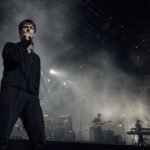
Frontman Grian Chatten serves as the focal point of this transformation. His stage persona has transitioned from the slightly detached, watchful poet of the band’s early days to a more kinetic, commanding presence. In Liverpool, Chatten moved with a purpose that felt tailored for the large stage, using his voice as a textured instrument that cuts through the amplification. His ability to maintain a sense of mystery, even when performing in front of thousands, is a key component of the band’s current success. He doesn’t attempt to play the ‘stadium rock star’—a role that would feel antithetical to the band’s ethos—but rather invites the audience into a darker, more dramatic world that they have carefully curated.
The Economic and Cultural Shift
It is worth noting the secondary implications of this success. Fontaines D.C. represent a specific cohort of bands that have managed to break through the post-punk ceiling, finding major success on an international scale without sacrificing their artistic integrity. Economically, this success is a testament to the enduring appeal of guitar-driven music when it is allowed to evolve and innovate. In an era dominated by algorithmic pop and producer-driven tracks, the rise of a band like Fontaines D.C. to arena status suggests a hunger for ‘authentic’, band-led narratives.
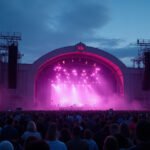
Furthermore, the aesthetic they are currently pushing—a ‘gothic grandeur’ that touches on the existential dread of modern life—seems to resonate with a younger audience dealing with their own uncertainties. The visual language of their current tour, characterized by dramatic lighting, fog-laden stages, and a moody, monochromatic color palette, reinforces this theme. It is a cohesive, ‘total package’ approach to touring that feels increasingly rare in the age of single-hit streaming success.
The Future of Arena Post-Punk
Looking ahead, the question for Fontaines D.C. is one of sustainment. Can they continue to balance the creative risks of their studio work with the expectations of an arena-sized audience? The Liverpool show suggests they can. By treating the arena not as a place to perform a ‘greatest hits’ set, but as a space to build an immersive, thematic experience, they have avoided the trap of generic stadium-rock stagnation. They remain a band in transition, constantly testing the limits of what a post-punk group can represent in the 21st century. The ‘gothic grandeur’ they have cultivated is not just a stylistic choice; it is a necessary framework for their continued growth. As they move forward, this ability to integrate their bleak, introspective origins into a grand, sweeping spectacle will be their most valuable asset.
FAQ: People Also Ask
How has the band’s sound changed since their debut?
Fontaines D.C. has evolved from the tight, guitar-focused post-punk of their early records like Dogrel to a more expansive, textured soundscape characterized by layered production and a gothic atmosphere, heavily influenced by their most recent work.
Does the arena setting diminish the band’s intimacy?
While the venue size has increased, critics and fans note that the band compensates by creating a more theatrical and immersive show, using lighting, atmosphere, and a highly emotive performance style to maintain a strong connection with the audience.
Is Grian Chatten’s stage presence different now?
Yes, Chatten has moved from the understated, observational style of his early career to a more commanding, theatrical stage persona that effectively anchors the band’s larger-than-life arena performances.
What does ‘gothic grandeur’ mean in the context of Fontaines D.C.?
It refers to the band’s current aesthetic and sonic approach, which blends the dark, brooding lyrical content and bleak tone of their post-punk roots with a larger, more cinematic, and polished production style suitable for large venues.
More Stories
Leighton Meester Dazzles in Netflix’s Holiday Hit ‘Guarding Stars’
Still the Peak: Why ‘Fear of Music’ Remains Talking Heads’ Masterpiece
Heartland Review: Chastain’s Netflix Thriller Falls Flat