











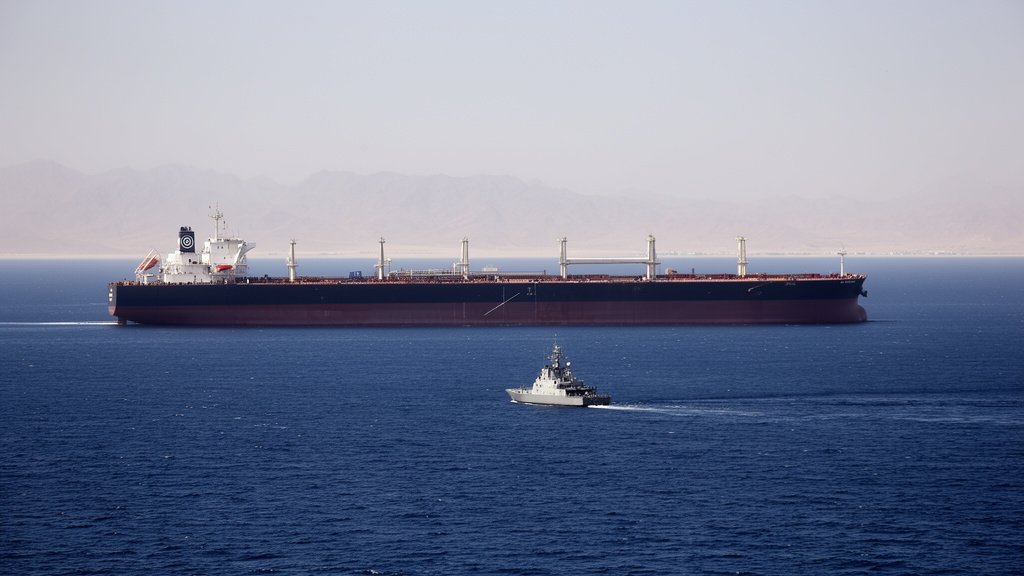
Negotiations aimed at securing the reopening of the Strait of Hormuz have reached a “very progressive stage,” with diplomatic channels buzzing as draft agreements are circulated among key stakeholders. U.S. and regional officials have indicated that a formal deal could be announced as early as today, marking a potential turning point in the persistent maritime and geopolitical tensions that have choked the Persian Gulf for months. The breakthrough comes after intensive shuttle diplomacy, primarily facilitated by Qatari officials, aimed at de-escalating military presence and restoring freedom of navigation in the world’s most critical maritime energy artery.
Key Highlights
- Diplomatic Breakthrough: Negotiations have reached a “very progressive stage” with draft agreements currently under final review by participating parties.
- Qatari Mediation: Qatar has emerged as a central broker, leveraging its unique diplomatic ties with both Western powers and regional actors to finalize the terms.
- Potential Timeline: Officials signal that a formal announcement regarding the stabilization and reopening of the Strait could be released as early as today.
- Global Impact: The deal aims to alleviate significant pressure on global oil and liquefied natural gas (LNG) markets that rely on the Strait for transit.
Resolving the Persian Gulf Chokepoint
The Strait of Hormuz is not merely a body of water; it is the jugular of the global economy. By connecting the Persian Gulf to the Gulf of Oman and the Arabian Sea, this narrow passage acts as the primary conduit for approximately 20% of the world’s total petroleum consumption. Any restriction on traffic here sends immediate shockwaves through global energy markets, inflating costs for both producers and consumers.
Recent tensions have seen a surge in “gray zone” maritime activities, characterized by the shadowing of commercial vessels, increased naval patrols, and a spike in maritime insurance premiums that have made the region increasingly prohibitive for standard shipping lanes. The current diplomatic effort is designed to formalize “rules of the road” for naval vessels in the area, ensuring that commercial transit is insulated from ongoing regional political disputes.
The Strategic Importance of the Strait
For decades, the Strait of Hormuz has been the focal point of military contingency planning for the U.S. Department of State and the U.S. Fifth Fleet. The waterway, which narrows to a width of only 21 miles at its narrowest point, is a constant friction point between global powers and regional littoral states. The current talks prioritize the establishment of a “de-confliction zone,” a maritime protocol that would restrict aggressive maneuvers near commercial tankers. The International Energy Agency (IEA) has repeatedly warned that any prolonged closure or significant impairment of this corridor would be catastrophic for post-pandemic global economic recovery, making this diplomatic breakthrough a high-priority objective for international stability.
Qatar’s Role as a Global Mediator
Qatar’s Ministry of Foreign Affairs has played an indispensable role in these negotiations. Historically, Doha has utilized its geopolitical neutrality to act as a back-channel facilitator for complex, high-stakes conflicts. In this specific instance, Qatari officials have acted as the primary conduit between Washington and regional entities, effectively narrowing the gap between competing draft proposals. By hosting and facilitating these closed-door sessions, Qatar has reinforced its position as a Tier-1 diplomatic broker. This mediation effort highlights a sophisticated shift in Middle Eastern diplomacy, where the focus has moved toward economic stability and securing transit lines over ideological positioning.
Economic Ripples: Energy and Maritime Security
The economic implications of an agreement cannot be overstated. Global markets have been pricing in a “risk premium” on oil and gas futures for months, anticipating the possibility of a total blockade or significant maritime conflict. The news that a deal is in the final stages has already begun to stabilize energy future prices. Beyond oil, the reopening of the Strait is expected to normalize maritime insurance rates. Shipping companies have been forced to implement “war risk” surcharges on vessels entering the Gulf, costs which are ultimately passed down to consumers. A successful deal would trigger an immediate re-evaluation of these surcharges, providing a much-needed cooling effect on logistics inflation.
Looking forward, the success of this agreement may serve as a template for other maritime dispute resolutions globally. If the parties can move from a draft agreement to a functional enforcement mechanism, it would suggest a move toward a “rules-based” maritime environment in the Persian Gulf, prioritizing the unhindered flow of energy over military posturing. However, stakeholders remain cautious, noting that implementation is often more difficult than negotiation. The presence of international monitors, potentially organized under regional coordination, remains a point of intense focus in the final drafts being circulated today.
FAQ: People Also Ask
Q: Why is the Strait of Hormuz so important for global oil prices?
A: The Strait of Hormuz is the world’s most important oil chokepoint, with about 21 million barrels of oil—nearly 21% of global petroleum consumption—passing through it daily. Any threat to this route directly affects global supply chains and energy costs.
Q: What is Qatar’s specific role in these negotiations?
A: Qatar acts as a key diplomatic mediator. Because of its established relationships with both Western allies and regional powers, it is able to host negotiations and facilitate the exchange of draft agreements that other parties might be unable to negotiate directly.
Q: What does a ‘progressive stage’ mean in this context?
A: It indicates that the parties have moved past the initial brainstorming or confrontational phase and have agreed upon the framework of a deal. The existence of ‘draft agreements’ suggests that the core terms are likely set, and the focus is now on final review or potential minor amendments before an official signing.
Q: Will this deal immediately lower gas prices?
A: While it may help alleviate the ‘risk premium’ on oil prices, the direct impact on gas pump prices depends on a variety of factors, including refinery capacity, global demand, and existing fuel inventories. It is likely to provide market stability rather than an overnight reduction in prices.
More Stories
Costco Goes Nationwide on Uber Eats: A New Era for Bulk Delivery
Elena Rybakina Wins US Open, Ascends to World No. 1
Rubio Seals Security Pacts; Vance Drives Policy Agenda