











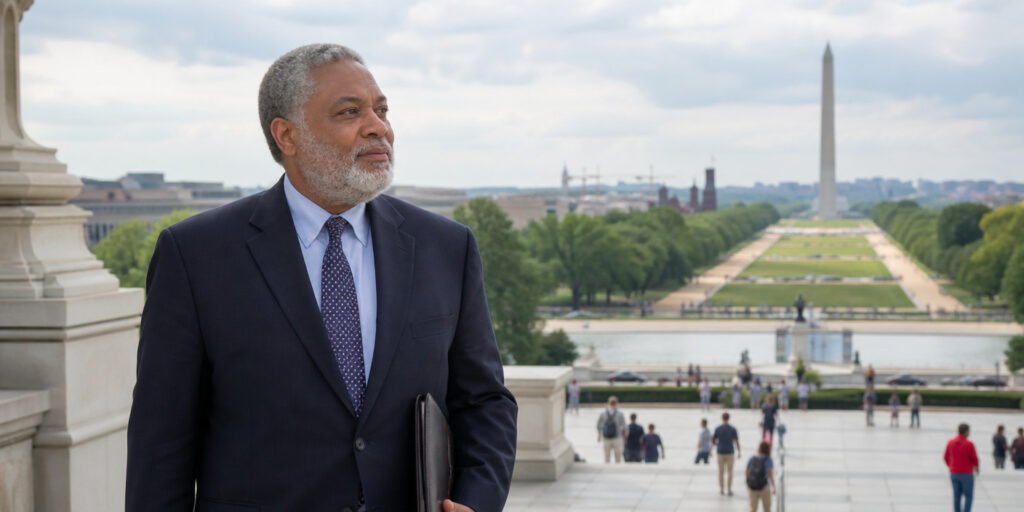
The Smithsonian Institution has intensified its efforts to secure a permanent location for the National Museum of the American Latino, signaling a significant push in the institution’s expansion plans amidst national cultural commemorations. As the Smithsonian moves beyond the conceptual phase of its newest cultural asset, the pressure to identify a viable, high-visibility site on or near the National Mall has become the primary administrative hurdle. With the authorization act having been signed into law, the institution is now navigating a complex labyrinth of federal land-use approvals, architectural feasibility studies, and public interest requirements that define the challenging landscape of development in Washington, D.C.
Key Highlights
- Legislative Mandate: The museum was formally authorized following the bipartisan Museum of the American Latino Act, signed in late 2020.
- Strategic Urgency: The Smithsonian is currently accelerating site selection to align with long-term expansion goals and capital campaign milestones.
- Regulatory Hurdles: The process involves intense collaboration with the National Capital Planning Commission (NCPC) and the Commission of Fine Arts (CFA) to ensure site compliance.
- Cultural Significance: The museum aims to fill a critical void in the national narrative, serving as a dedicated space for the history, art, and cultural contributions of U.S. Latinos.
Shaping a Legacy: The Strategic Search for a Permanent Home
The quest to establish the National Museum of the American Latino represents one of the most ambitious undertakings in the recent history of the Smithsonian Institution. Unlike private museum development, building a Smithsonian museum on federal land in the nation’s capital requires a delicate balance of architectural vision, legislative approval, and community engagement. As the institution’s leadership—under the guidance of Smithsonian Secretary Lonnie G. Bunch III—shifts focus toward site finalization, the magnitude of the task is becoming increasingly clear.
The Administrative Architecture of Site Selection
Selecting a site for a major federal institution is rarely a matter of simple real estate acquisition. It is an exercise in urban planning and political negotiation. The Smithsonian must adhere to the rigorous guidelines set forth by the National Capital Planning Commission (NCPC), which oversees the development of federal land in the District of Columbia. Key criteria for the site include physical accessibility for the millions of tourists who visit the National Mall annually, the ability to support the heavy structural requirements of a modern museum, and the capacity to integrate seamlessly into the existing cultural landscape of the capital.
Recent discussions have centered on the South Monument Drive site, a location that offers high visibility and proximity to other major Smithsonian assets. However, every potential plot comes with a unique set of challenges, ranging from environmental impact assessments to the preservation of historical vistas. The Smithsonian is not merely looking for empty space; it is looking for a site that carries the symbolic weight necessary to house the stories of the Latino community in America.
Navigating the Legislative and Bureaucratic Maze
The path to this point has been long. The bipartisan Museum of the American Latino Act was the culmination of decades of advocacy. Now, the transition from legislative authorization to physical implementation involves a “multi-gate” process. Each stage requires approvals from federal entities that prioritize aesthetic unity and historical preservation on the Mall. This administrative “racing” against time is not just about breaking ground; it is about securing the site to meet the timeline of the Smithsonian’s larger institutional capital campaign, which relies on tangible progress to sustain donor confidence and legislative support.
The Cultural Necessity of Representation
Beyond the logistics, the urgency of this project is driven by a profound cultural necessity. For too long, the history of the American Latino—a story of civil rights, military service, scientific innovation, and artistic achievement—has been relegated to the periphery of mainstream cultural institutions. By giving this narrative a permanent, physical home on the National Mall, the Smithsonian is making a statement about the composition of the American identity itself.
This museum is designed to be more than a repository for artifacts. It is intended to be a hub for dialogue, education, and national reconciliation. The leadership at the Smithsonian understands that a delay in finalizing the site is not just a delay in construction; it is a delay in providing this essential public service. Consequently, the “race” to finalize the location is fueled by a commitment to rectifying a historical absence.
Secondary Angles: Economic, Historic, and Future Impacts
1. The Economic Catalyst: The establishment of a new Smithsonian museum is an economic engine. It draws millions of visitors annually, drives hotel bookings, and supports local hospitality businesses. As the site search narrows, local D.C. economic development councils are watching closely, anticipating the boost that a major new attraction will bring to the District’s post-pandemic tourism recovery.
2. The Architecture of Identity: The site selection is intrinsically linked to the future architectural competition. The choice of location will dictate the design constraints. Architects will be challenged to create a building that speaks to both the historical context of the neoclassical National Mall and the modern, vibrant reality of the Latino experience. The site will force a conversation about how we design museums for the 21st century.
3. The Legislative Blueprint: The success of this museum site process will serve as a blueprint for future cultural institutions. The way the Smithsonian navigates the NCPC and CFA processes here will likely be studied by other federal entities looking to expand their presence in the capital. It represents a masterclass in federal urban planning and institutional perseverance.
As the Smithsonian institution continues its intensive efforts, the final decision will not only mark the beginning of a construction project but will finalize a promise to the American public: that the full, diverse breadth of the nation’s history will be housed, protected, and celebrated in the heart of Washington, D.C.
FAQ: People Also Ask
Q: Why is site selection for the National Museum of the American Latino so complex?
A: Federal land in D.C. is subject to strict zoning, preservation laws, and oversight by bodies like the NCPC and CFA. The Smithsonian must balance structural requirements, historical preservation, and public accessibility, making prime land extremely difficult to secure.
Q: How will the museum be funded?
A: The museum’s development is supported by a mix of federal appropriations and private fundraising. Finalizing the site is a crucial step to unlocking specific phases of the capital campaign, as donors prefer to support projects with a fixed, tangible location.
Q: When is the museum expected to open?
A: While no definitive opening date has been set, the intensification of the site selection process is the first major step toward breaking ground. Once a site is finalized, the timeline will shift to architectural design, public comment periods, and eventual construction, a process typically spanning several years.
Q: What is the primary role of the National Capital Planning Commission (NCPC)?
A: The NCPC is the federal government’s central planning agency for the National Capital Region. They ensure that all new developments on federal land align with long-term planning goals, protect the capital’s historic character, and serve the public interest.
More Stories
U.S. Repatriates 64 Cultural Relics and Fossils to China
Betting on Viral Fame: Novig’s Strategic Use of Sydney Sweeney
DHS Scrubs Optimus Prime Posts After AI Misuse Backlash