











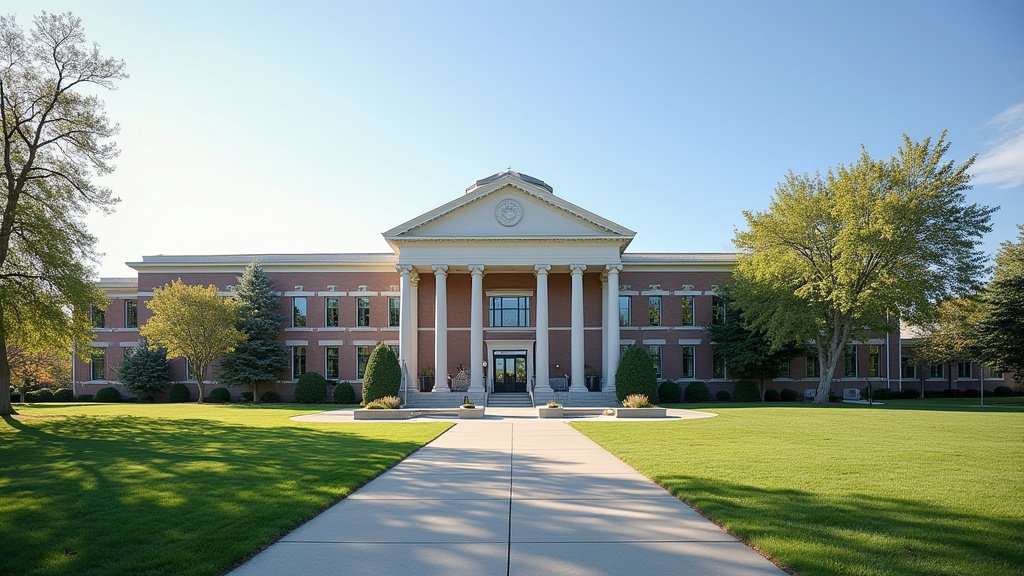
The Pierce County Council has officially intervened in the region’s rapidly evolving industrial landscape, approving an emergency ordinance that places a strict one-year moratorium on the development of new data centers in unincorporated areas. This legislative “pause” is designed to provide county staff, planning commissions, and community stakeholders with a critical window of time to comprehensively study, analyze, and update zoning regulations regarding the impact of massive-scale digital infrastructure on rural and suburban communities.
Key Highlights
- One-Year Moratorium: All applications for new or expanded data centers in unincorporated Pierce County are officially paused for a 12-month period.
- Strategic Cooling-Off Period: The emergency ordinance serves as a protective measure to ensure existing zoning codes can handle the specialized infrastructure demands of modern data centers.
- Infrastructure Scrutiny: The Council aims to evaluate the long-term strain these facilities place on the local power grid, water resources, and community noise levels.
- Unincorporated Focus: This action specifically impacts unincorporated regions of the county, distinguishing it from municipal zones where different regulations may apply.
Navigating the Digital Frontier: Why Pierce County Halted Development
The decision to implement a moratorium did not come lightly. In recent months, Pierce County, like many jurisdictions across Washington State and the broader Pacific Northwest, has seen a surge in interest from hyperscale tech companies seeking to build massive data centers. These facilities, while essential for the infrastructure of the modern digital economy, present unique challenges that existing zoning laws—written for standard commercial or industrial parks—often fail to address adequately.
The Infrastructure Strain: Power, Water, and Space
At the heart of the Council’s decision is the sheer resource intensity required by these facilities. Unlike traditional warehouses, data centers act as the lungs of the internet, requiring constant, high-capacity electricity to power racks of servers and intensive cooling systems to prevent overheating. In Pierce County, this has sparked concerns about grid capacity and the potential for these facilities to crowd out other vital industrial or residential developments.
Local officials have expressed apprehension regarding whether the current infrastructure in unincorporated areas is equipped to handle the significant electrical load and water consumption associated with data centers. By imposing a moratorium, the Council is not necessarily turning away economic investment; rather, they are demanding that infrastructure planning keep pace with technological advancement. This precautionary approach is intended to ensure that if these facilities are built in the future, they do not jeopardize the energy reliability of neighboring residential areas or small businesses.
Balancing Economic Development and Rural Character
One of the most contentious aspects of the data center debate is the balance between tax revenue and rural preservation. Proponents of data centers argue that these facilities generate significant property tax revenue and create high-tech construction jobs. However, opponents often cite the “NIMBY” (Not In My Backyard) sentiment, arguing that massive, windowless, high-security data centers can degrade the aesthetic and community character of rural and semi-rural zones.
The one-year pause will allow Pierce County planning departments to engage in a public discourse about where, geographically, such facilities are appropriate. It shifts the conversation from a reactive mode—where the county responds to permit applications as they arrive—to a proactive mode, where planners can designate specific zones that are better suited for the industrial footprint of a data center.
Legal and Procedural Implications
For developers, the ordinance creates a temporary legal hurdle. It is important to note that the moratorium does not necessarily terminate ongoing discussions, but it does freeze the processing of new applications for data center developments. The intent is to prevent a “rush to file” before potential zoning updates can be finalized. During this year-long period, the Council will likely review noise ordinances, traffic impact studies for heavy industrial transport, and environmental sustainability requirements, ensuring that future projects align with the county’s long-term comprehensive plan.
This legislative action is also reflective of a wider trend across the United States, where municipal and county governments are finding that their legacy zoning codes are insufficient for the “AI era.” As data processing needs continue to grow, the infrastructure requirements for cooling and power are evolving rapidly, necessitating new, more specific regulatory frameworks.
FAQ: People Also Ask
Q: Does this moratorium apply to existing data centers?
A: No. The ordinance is prospective, meaning it applies to new applications and expansions. Facilities that are already operational or have already secured their necessary permits prior to the moratorium are generally not subject to this new pause.
Q: Why was this passed as an “emergency” ordinance?
A: The emergency designation allows the ordinance to take effect immediately, bypassing the standard waiting periods that would normally apply to new zoning amendments. This prevents a sudden influx of “last-minute” applications while the county works to update its long-term regulations.
Q: What happens when the one-year moratorium expires?
A: By the end of the one-year period, the Pierce County Council expects to have a new, robust set of zoning requirements and updated codes. Developers will then need to meet these new standards, which will likely be more rigorous regarding environmental impact, noise mitigation, and infrastructure connectivity.
Q: Is Pierce County the only place doing this?
A: No. Many counties in the Pacific Northwest and across the U.S. have enacted similar pauses to re-examine their data center policies, reflecting a nationwide challenge to integrate massive digital infrastructure into existing land-use planning.
More Stories
Costco Goes Nationwide on Uber Eats: A New Era for Bulk Delivery
Elena Rybakina Wins US Open, Ascends to World No. 1
Rubio Seals Security Pacts; Vance Drives Policy Agenda