











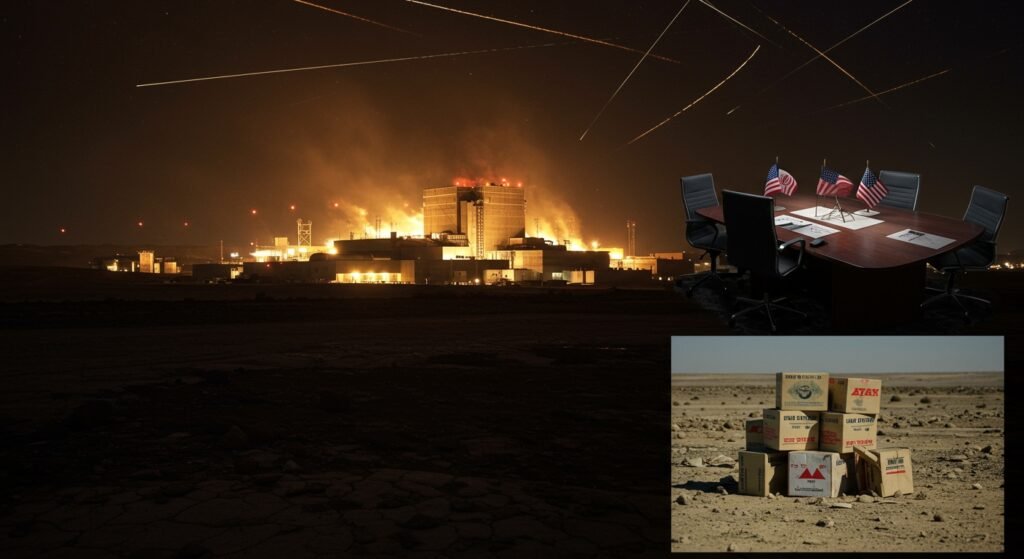
In a dramatic escalation of regional tensions, the Israeli military launched extensive strikes across Iran overnight, June 13, 2025, targeting sites including the capital, Tehran. The attacks reportedly resulted in significant casualties among Iran’s military and scientific community.
Reported Casualties and Targets
According to reports from Reuters, at least 20 senior Iranian commanders were killed in the overnight operations. Among those reportedly killed was the head of the Revolutionary Guard’s air force, Amir Ali Haji Zad. The same reports indicate that six nuclear scientists were also casualties of the strikes.
The scale of the Israeli action extended beyond Tehran, with further attacks reported earlier in the day on cities including Shiraz and Tabriz, as well as the Natanz nuclear site, a key facility in Iran’s controversial atomic program.
Iran’s Response and Geopolitical Context
The strikes drew an immediate and strong reaction from Iran. Supreme Leader Ayatollah Ali Khamenei issued a warning that further retaliation against Israel was forthcoming, signaling a potential for continued escalation in the volatile region.
The Israeli strikes occurred amidst a delicate period of diplomacy, as the United States and Iran have been engaged in talks aimed at potentially forging a new nuclear agreement. The timing of the military action adds a complex layer to these ongoing negotiations, raising questions about their future viability.
Separate Developments Regarding Gaza
Parallel to the events unfolding between Israel and Iran, international focus remained heavily on the humanitarian crisis in the Gaza Strip.
On Thursday, the UN General Assembly overwhelmingly adopted a resolution addressing the situation in Gaza. The resolution issued a clear and forceful demand for an immediate, unconditional, and permanent ceasefire in the territory. It also explicitly called for Israel to allow the unimpeded entry of humanitarian aid to alleviate the dire conditions faced by the civilian population.
International Reaction and Humanitarian Crisis in Gaza
The vote on the UN resolution highlighted international divisions. While adopted by an overwhelming majority of the member states, the United States and Israel were among a minority of just 12 countries that voted against the measure.
The resolution’s passage came against the backdrop of escalating warnings from the United Nations regarding the humanitarian situation on the ground. The UN had cautioned that Gaza was on the brink of a full internet blackout, a development that would severely paralyze humanitarian aid operations. These warnings followed reports that landlines were also disrupted after key telecommunications infrastructure was damaged in recent Israeli strikes.
The interconnectedness of these developments – the strikes in Iran, the ongoing nuclear talks, and the persistent crisis and diplomatic efforts concerning Gaza – underscore the complex and highly unstable geopolitical landscape across the Middle East. The events of June 13, 2025, mark a significant moment, potentially impacting regional security dynamics and the trajectory of international relations for the foreseeable future.
More Stories
Costco Goes Nationwide on Uber Eats: A New Era for Bulk Delivery
Elena Rybakina Wins US Open, Ascends to World No. 1
Rubio Seals Security Pacts; Vance Drives Policy Agenda