










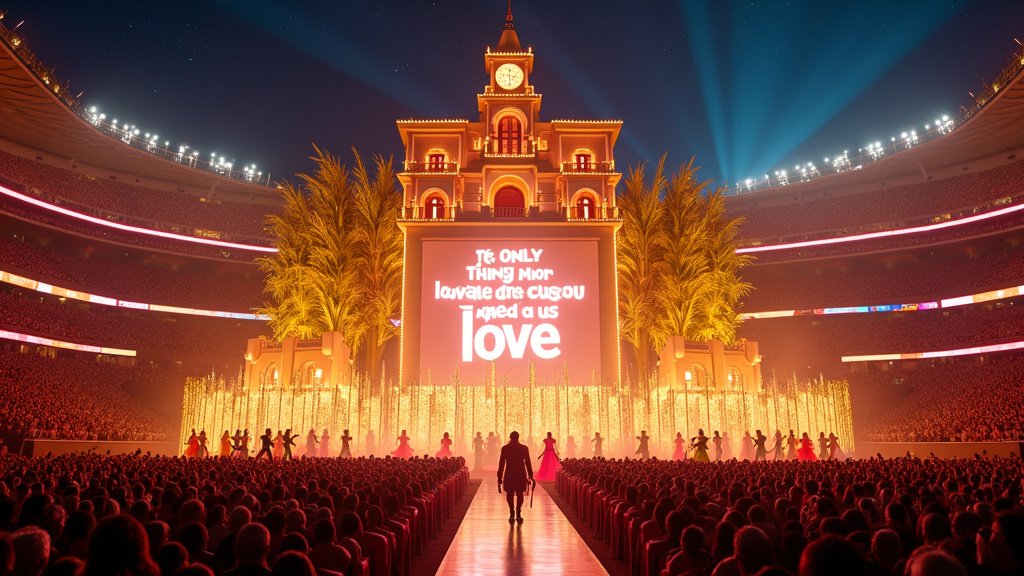
Bad Bunny made history at Super Bowl LX. He headlined the halftime show. It was a powerful celebration of Puerto Rican culture. The event took place on February 8, 2026. Levi’s Stadium in Santa Clara hosted the show. This marked a significant cultural moment. Bad Bunny became the first Latino solo artist to headline. He also performed largely in Spanish. This was a first in the Super Bowl’s history. The performance showcased many aspects of Puerto Rican life. Scenes included sugar cane fields and jíbaros. There were also piragua carts and domino tables. A replica of a casita, inspired by his San Juan residency, was featured. This design evoked community and heritage.
Several prominent guests joined Bad Bunny on stage. Lady Gaga performed a salsa-infused version of her hit “Die With a Smile”. Ricky Martin also made an appearance. He sang “Lo Que Le Pasó a Hawaii,” a song seen as a call for Puerto Rican autonomy. Other celebrities like Cardi B, Pedro Pascal, and Jessica Alba were also present. Their appearances added to the vibrant atmosphere. The show also paid tribute to reggaeton pioneers. Snippets of songs by Tego Calderón and Don Omar were played.
Bad Bunny used the global platform to convey a strong message. He emphasized themes of love and unity. A message on screen declared: “The only thing more powerful than hate is love”. He encouraged self-belief in his audience. Bad Bunny spoke about his heritage with pride. He stated the performance was “for my people, my culture, and our history”. The show also subtly addressed sociopolitical issues. A performance of “El Apagón” featured a Puerto Rican independence flag. Performers twirled around prop utility poles. This symbolized the island’s frequent blackouts. It highlighted the failing power grid.
The performance garnered widespread acclaim. Many praised its authentic representation of Puerto Rican culture. The show was seen as an act of cultural resistance. It celebrated identity amidst colonization. The news about Bad Bunny’s selection sparked debate. Some critics questioned a Spanish-language performance. However, his artistry and global appeal were undeniable. He is one of the world’s most popular musicians. His performance reached over 100 million viewers. The halftime show was a significant milestone. It brought Latin culture to the forefront. Bad Bunny’s choice reflected the NFL’s efforts to connect with a diverse audience. It also recognized the growing number of Latino players in the league.
Bad Bunny concluded the show with a powerful statement. He held a football that read “Together, we are America”. This recontextualized “America” to include the entire continent. It served as a reminder of belonging. His closing words, “Seguimos aquí” (We are still here), resonated deeply. The performance was a testament to resilience. It celebrated a vibrant culture on a massive American stage.
More Stories
U.S. Repatriates 64 Cultural Relics and Fossils to China
Betting on Viral Fame: Novig’s Strategic Use of Sydney Sweeney
DHS Scrubs Optimus Prime Posts After AI Misuse Backlash