











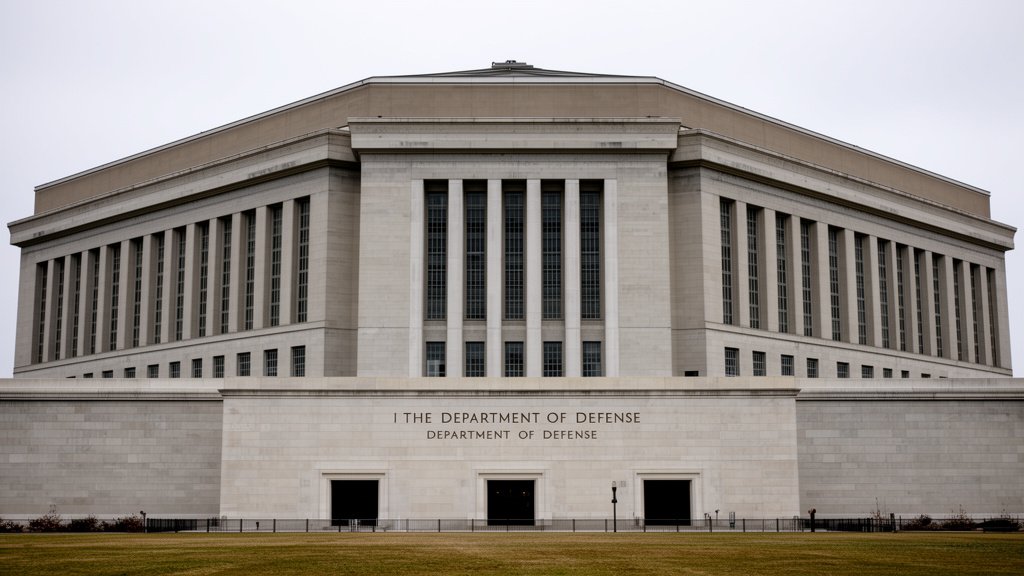
The Pentagon’s Defense Casualty Analysis System (DCAS) confirmed a somber milestone on Monday, August 24, 2026, reporting 60 additional American service members wounded in the ongoing Iran war. This influx of injury reports brings the cumulative total of U.S. service members killed or wounded in the conflict to 775, marking a significant escalation in the scope and intensity of the current military theater. As the Department of Defense continues its operations, these figures serve as a stark reminder of the evolving tactical reality faced by U.S. forces in the region.
Key Highlights
- Casualty Update: The Pentagon reported 60 new injuries, bringing the total conflict-related casualties to 775.
- Reporting Authority: Data is provided by the Defense Casualty Analysis System (DCAS), the official repository for U.S. military personnel incident reports.
- Conflict Status: The report covers operations in the ongoing Iran war, reflecting sustained combat pressure.
- Military Transparency: The timely release of these figures remains a cornerstone of the Department of Defense’s commitment to public reporting on operational outcomes.
The Strategic Impact of the 775 Casualty Threshold
The announcement of 775 total casualties since the onset of the Iran war is more than a statistic; it represents a shifting strategic reality in the Middle East. For military analysts, the rise in injury reports—specifically the 60 newly confirmed cases—suggests a transition in enemy engagement tactics and an increase in the frequency of skirmishes across contested zones. The Defense Casualty Analysis System is specifically designed to aggregate incident reports from across the combatant commands, ensuring that every service member accounted for is part of a verified record that informs both tactical planning and congressional oversight.
Analyzing the Escalation in Casualty Rates
Historically, casualty numbers serve as a lagging indicator of battlefield intensity. The sudden reporting of 60 wounded personnel in a single update cycle suggests a significant tactical event or a series of localized encounters that may have occurred over the preceding 48 to 72 hours. While the Pentagon rarely provides specific details on individual unit movements for security reasons, the aggregate data points to a theatre of operations that is increasingly kinetic. The Iran war, unlike static conflicts of the past, involves fluid, asymmetric warfare that requires constant vigilance from U.S. and coalition partners. The 775 total casualties reflect both direct combat injuries and those sustained during support operations in hazardous environments.
Operational Realities for U.S. Forces
The modern battlefield in the Middle East is characterized by advanced, long-range capabilities and the persistent threat of hybrid warfare. For the service members on the ground, this means that even support-heavy missions carry an elevated risk profile. The Pentagon’s reporting underscores that the casualties are not confined to front-line infantry units; they include personnel in logistical, administrative, and engineering roles who are increasingly finding themselves within range of hostile fire. As the U.S. Department of Defense evaluates its force posture in the region, the 775-casualty threshold will inevitably influence resource allocation, the strengthening of force protection measures, and the potential deployment of additional medical and medevac assets.
Medical Readiness and the Infrastructure of Care
A critical, often overlooked aspect of these casualty reports is the robust medical infrastructure supporting the war effort. The fact that the casualty count is categorized as ‘killed or wounded’ necessitates a complex logistical chain—from initial triage at the point of injury to stabilization and eventual transport to specialized care facilities, often located in neutral regional hubs or back in the United States. The Pentagon’s ability to track these 775 service members with precision speaks to the high level of coordination between field medics, the U.S. military health system, and local command authorities. As the war continues, the capacity to treat and rehabilitate these service members becomes a primary concern for military leadership, balancing the need for ongoing operational presence with the preservation of human capital.
Geopolitical and Domestic Implications
The domestic reaction to the 775-casualty milestone is likely to be multifaceted. Within the corridors of power in Washington, D.C., these figures will prompt rigorous debate regarding the current mandate and the long-term objectives of the U.S. in the Iran conflict. Members of Congress, already engaged in oversight hearings, are expected to leverage this data to demand clarity on the rules of engagement and the broader strategy for de-escalation. Furthermore, the public narrative surrounding the war is heavily influenced by the transparency of these reports. By adhering to a standardized process of data disclosure via the DCAS, the Pentagon attempts to manage expectations and provide an accurate, albeit painful, look at the costs associated with the national security priorities currently in effect.
FAQ: People Also Ask
What is the Defense Casualty Analysis System (DCAS)?
The Defense Casualty Analysis System is the official U.S. Department of Defense database responsible for tracking and recording all casualties, including both deaths and injuries, sustained by active-duty service members. It serves as the primary source of truth for all military casualty statistics.
Does the 775 figure include all types of casualties?
Yes, the 775 figure is an aggregate number that includes both service members killed in action (KIA) and those wounded in action (WIA). The Pentagon reports these figures in a combined category to provide a holistic view of the human cost of the conflict.
How does the Pentagon verify casualty reports?
Casualty reports undergo a strict verification process, including the notification of next-of-kin, the confirmation of the service member’s status by the relevant military branch, and the formal processing of reports through the combatant command before being finalized by the DCAS.
Are these figures subject to revision?
Yes, casualty figures are frequently subject to revision. As investigations into specific incidents conclude and as service members who were initially listed as wounded may later face complications or, unfortunately, succumb to their injuries, the official data is updated to ensure maximum accuracy.
More Stories
Costco Goes Nationwide on Uber Eats: A New Era for Bulk Delivery
Elena Rybakina Wins US Open, Ascends to World No. 1
Rubio Seals Security Pacts; Vance Drives Policy Agenda