











Zee Media Corporation has escalated its ongoing regulatory and legal battle with quick-commerce giant Blinkit, filing a formal copyright infringement lawsuit in the Delhi High Court. The litigation, which targets the unauthorized use of proprietary broadcast content in promotional material, marks a significant moment in the intersection of traditional media rights and modern digital marketing strategies. The Delhi High Court, acknowledging the gravity of the allegations, has officially issued summons to Blinkit, mandating a response to an interim injunction application filed by the media conglomerate. As the case proceeds toward the next hearing scheduled for August 14, industry observers are closely watching the implications for digital media aggregation and corporate intellectual property rights.
The Nature of the Legal Dispute
The core of the conflict centers on allegations that Blinkit, a subsidiary of Zomato, utilized Zee Media’s copyrighted news footage and broadcast content within its promotional social media campaigns without securing the necessary licenses or permissions. In the current digital ecosystem, where “moment marketing”—the practice of piggybacking on trending news or viral events—has become a standard operating procedure for quick-commerce and e-commerce entities, this lawsuit represents a potential paradigm shift. Zee Media contends that the appropriation of its content for commercial benefit without compensation constitutes a direct infringement of its intellectual property rights. By filing for an interim injunction, Zee Media aims to halt the continued use of this material while seeking damages and a permanent cessation of the alleged infringements.
The Delhi High Court’s Intervention
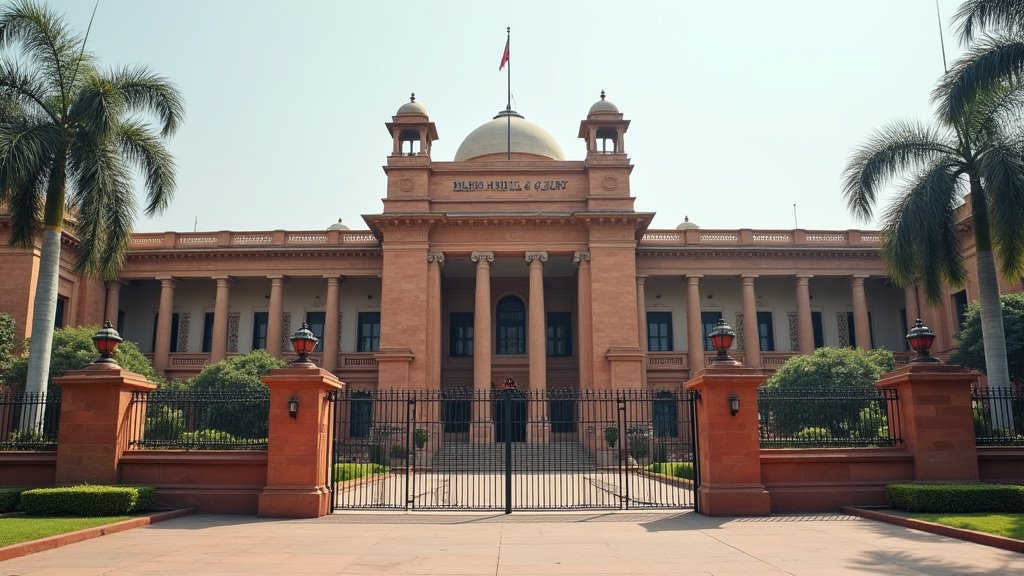
The Delhi High Court has emerged as the primary arbiter in India’s most high-profile corporate and intellectual property disputes, and this case is no exception. By issuing summons to Blinkit, the court has effectively recognized the existence of a prima facie case requiring judicial scrutiny. The summons necessitates that Blinkit respond to the injunction plea, setting the stage for a legal showdown on August 14. This date is critical, as it will likely determine whether the court grants an immediate interim injunction against the quick-commerce platform, which would force a rapid reconfiguration of their social media marketing strategy if the court finds the content usage infringing.
Implications for Quick-Commerce and Media Relations
This dispute underscores a broader, simmering tension between traditional media powerhouses and the new wave of tech-first, quick-commerce platforms. Content creators have long complained about “free-riding” by tech companies that aggregate or leverage news clips to boost their own engagement metrics. If the court rules in favor of Zee Media, it could establish a legal precedent that effectively ends the practice of using third-party news broadcasts in commercial advertising without a licensing agreement. This would force platforms like Blinkit, Swiggy Instamart, and Zepto to formalize their content usage policies, potentially leading to increased operational costs and a shift in how these companies approach viral, news-driven marketing.
Intellectual Property in the Age of Instant Media
Furthermore, this case raises fundamental questions about digital copyright in an era where content is consumed and shared instantaneously. As algorithms favor accounts that post trending content, platforms are incentivized to capture viral news moments. However, the legal boundaries of “fair use” remain contentious. While the quick-commerce sector argues that their usage is illustrative and transformative, media conglomerates argue that their copyright is absolute. The adjudication of this matter will likely offer clarity on whether quick-commerce entities are merely neutral platforms or if they function as active content creators who must respect the intellectual property of established news networks.
Secondary Angles: Why This Case Matters
1. The Shift in Marketing Strategy: Quick-commerce companies rely heavily on reactive marketing. A ruling against Blinkit would likely send a shockwave through the marketing departments of all delivery apps, potentially curbing their ability to capitalize on news-heavy cycles.
2. The Zomato-Blinkit Synergy: As the parent company, Zomato’s involvement in the legal strategy is pivotal. The legal burden and the potential reputational risks extend to Zomato, making this a test of how a listed entity manages IP litigation risks.
3. Future Regulatory Frameworks: If the courts continue to side with media houses, it may accelerate the push for a clearer, legislative definition of how digital platforms can engage with copyright-protected material, moving beyond the current reliance on intermittent litigation.
FAQ: People Also Ask
What exactly is Zee Media suing Blinkit for?
Zee Media Corporation has sued Blinkit for copyright infringement, specifically alleging that the quick-commerce platform used Zee’s proprietary broadcast content in promotional campaigns without authorization.
What is the significance of the August 14 date?
August 14 marks the next scheduled hearing in the Delhi High Court. The court will review the interim injunction application to determine if Blinkit must be legally restrained from using the disputed content.
Could this affect other quick-commerce apps like Zepto or Swiggy?
Yes. A ruling in this case would likely set a legal precedent regarding how quick-commerce and e-commerce platforms can use copyrighted news and media footage in their marketing strategies, potentially forcing a sector-wide change in compliance.
Is the parent company, Zomato, involved?
While Blinkit is the primary respondent as the operating entity, the dispute involves Blinkit’s promotional practices, which are generally aligned with the broader Zomato brand’s marketing strategy and governance.
More Stories
Costco Goes Nationwide on Uber Eats: A New Era for Bulk Delivery
Elena Rybakina Wins US Open, Ascends to World No. 1
Rubio Seals Security Pacts; Vance Drives Policy Agenda